

Middle East instability: why timely, factual communication matters more than ever
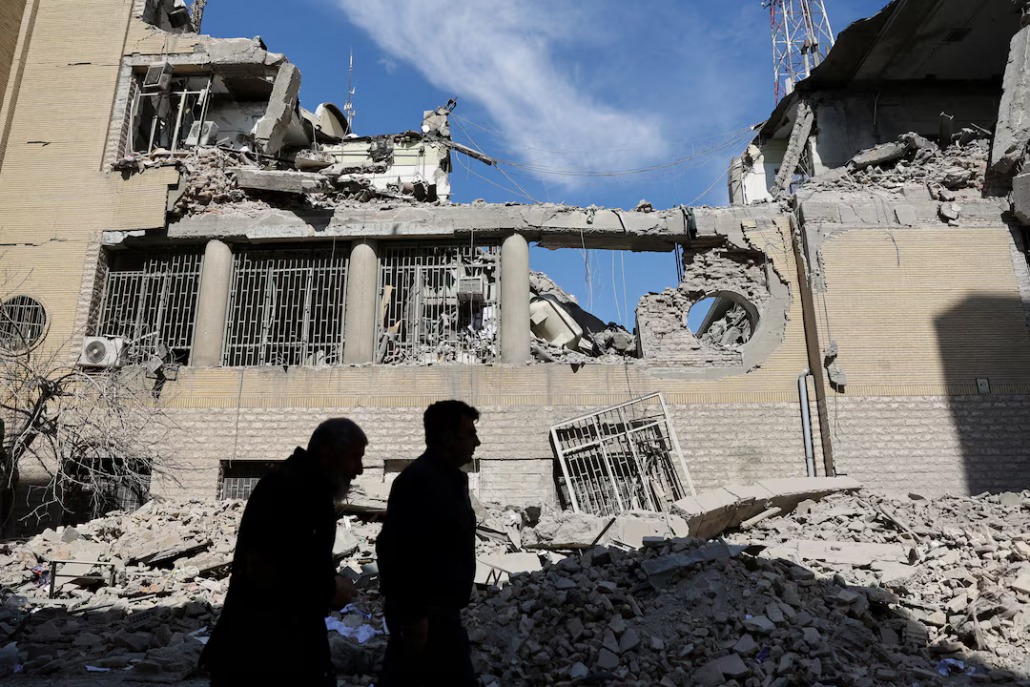
Escalating tensions involving Israel, Iran and the United States have once again placed the Middle East at the centre of global attention. While the situation remains fluid, its implications are already being felt beyond the immediate region – across energy markets, supply chains, financial systems and diplomatic channels.
For organisations with a presence in the Middle East – whether through offices, staff, partners, suppliers or customers – this geopolitical issue could be a communications challenge.
In periods of uncertainty, silence can create anxiety. Overreaction can create instability. The role of strategic communications is to provide clarity, reassurance and informed guidance without fuelling speculation or appearing political.
A fast-moving and complex situation
The current tensions are multi-layered. They involve direct military activity, proxy engagements across neighbouring territories, heightened security alerts and global diplomatic positioning. Markets have already shown sensitivity, particularly around energy pricing and shipping routes. Even limited disruption in key transit corridors can have knock-on effects for global trade and operational planning.
For multinational organisations, this can raise immediate questions:
In the absence of structured communication, rumours and misinformation often fill the gap.
Why proactive communication is essential
Organisations operating in or connected to the region should prioritise timely, factual and measured updates for internal and external stakeholders. This is not about taking a political stance. It is about demonstrating responsibility and leadership.
Effective crisis-adjacent communication should:
1. Be accurate
Rely on credible sources and confirmed information. Avoid speculation or amplifying unverified reports.
2. Focus on people first
Staff safety and wellbeing should be the primary message. Clear guidance on travel, remote working or security protocols provides reassurance.
3. Acknowledge uncertainty honestly
It is acceptable to say that a situation is evolving. Transparency builds trust.
4. Outline preparedness
Communicate that contingency planning is in place. Even if no operational changes are required, stakeholders should understand that leadership is monitoring developments closely.
5. Remain impartial
Organisations should avoid political commentary or assigning blame. Communications should centre on impact, safety and continuity.
The business implications
Beyond immediate safety considerations, escalation in the region can influence:
For some sectors – including energy, construction, finance, aviation and professional services – exposure may be direct. For others, the effects may be indirect but still material.
Clear communication with partners and suppliers helps maintain confidence and reduce operational friction. Investors and boards will also expect informed updates that demonstrate oversight and strategic awareness.
Providing expert, balanced guidance
At Source PR, our role in moments like these is not to predict political outcomes. It is to help organisations navigate complexity with clarity.
That means:
Responsible communication is grounded in expertise. It requires understanding both the geopolitical context and the commercial realities facing clients.
Planning for multiple scenarios
While it is impossible to predict precisely how tensions will evolve, scenario planning is essential. Organisations should consider:
Communications planning should mirror these scenarios, with pre-approved frameworks that can be activated if required.
Leadership through clarity
Periods of geopolitical tension test organisational resilience. They also test leadership communication.
Measured, factual and impartial messaging reassures staff, strengthens partner relationships and protects reputation. It signals that an organisation is informed, prepared and acting responsibly.
In an interconnected global economy, regional instability rarely remains regional for long. The businesses that navigate such moments most effectively are those that communicate early, communicate clearly and communicate with credibility.
If your organisation has a presence in the Middle East, now is the time to ensure your communications approach is aligned, accurate and ready to respond.