
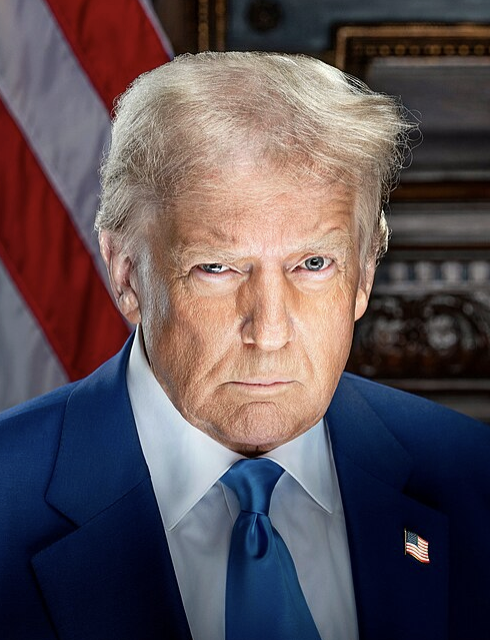

What’s he going to say next?
Why unpredictable communications matter – and what businesses can learn…
In the modern media environment, unpredictability commands attention. Few world leaders have exemplified this more than President Donald J. Trump, whose communications approach – from speeches to impromptu media briefings – has consistently kept audiences asking the same question: “What’s he going to say next?” At Source PR, we believe understanding this phenomenon isn’t merely political commentary: this communications strategy is case study with lessons for B2B leaders and brands alike.
At its core, President Trump’s messaging strategy thrives on uncertainty. Rather than carefully script every soundbite behind closed doors, he often speaks in a conversational, unfiltered manner that leaves audiences – and often even seasoned journalists – unsure what to expect. That unpredictability is far from accidental. In diplomatic negotiations with world leaders, it functions as a strategy rather than a slip-up. When counterparts cannot reliably forecast his next move, traditional negotiation dynamics change – often in Trump’s favour. Other leaders may hesitate, seek clarification, or make concessions to avoid abrupt shifts, effectively allowing the communicator to shape the narrative from a position of advantage.
That same unpredictability plays strongly domestically.
For large segments of the U.S. public, Trump’s tone and cadence feel authentic precisely because they deviate from conventional political script. In an era where generic messaging and polished speech have dominated public discourse, his bold, unscripted style can feel refreshing and direct to supporters – even if it is chaotic to others. This is a crucial insight: audiences value authenticity, and authenticity often stems from risk, not rehearsed messaging.
However, this approach also raises questions about consistency – a cornerstone of effective communication. For companies and leaders in the B2B space, inconsistent messaging can create confusion among stakeholders, erode trust, and slow decision-making. Markets don’t respond well to volatility; partners and clients value messages that are predictable, aligned, and tied to core strategy. When the world is left waiting to decipher the next message, even significant policy announcements – or key commercial updates – risk being drowned out by speculation and noise.
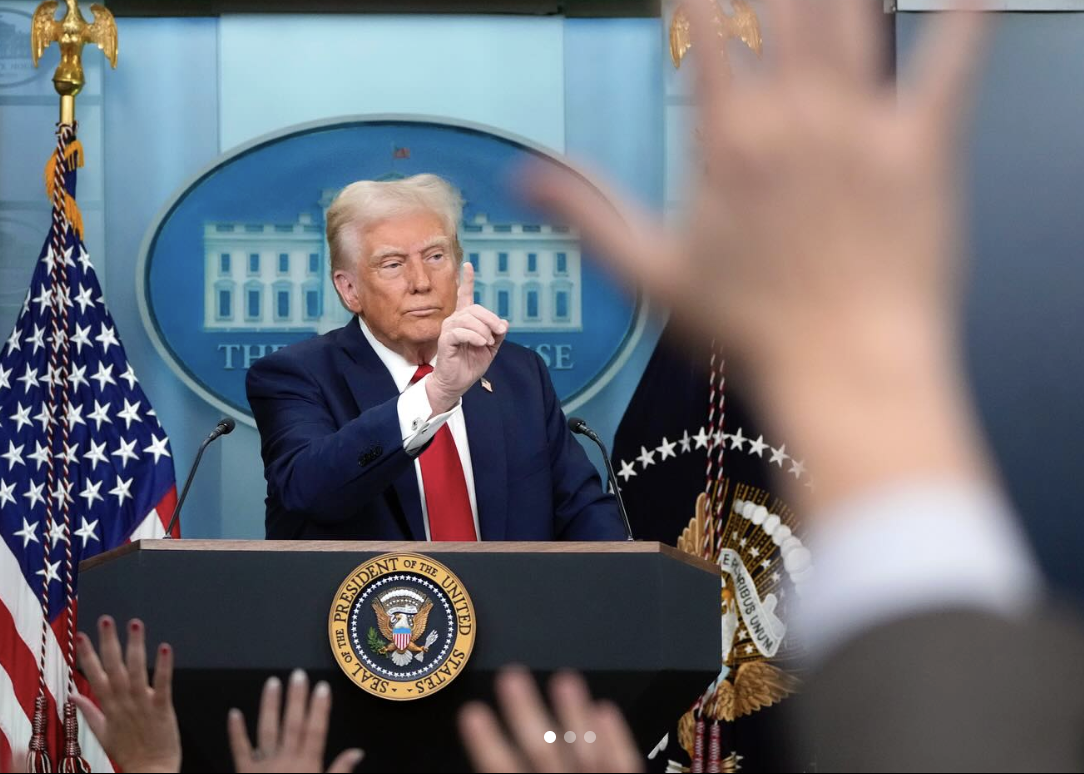
What’s he going to say next….?
So is Trump’s communications style a model to emulate?
Not in its entirety. What is instructive is the underlying principle: clarity of purpose matters more than rigid consistency of form. In other words, your audience should understand who you are and what you stand for, even if the way you deliver that message varies by channel or moment.
For B2B communicators, the lesson isn’t to foster uncertainty – it’s to harness authenticity and strategic intent within a consistent framework. Whether you’re addressing investors, industry partners, or media, your narrative should be recognisable, repeatable, and aligned to business goals. Unpredictability may generate headlines, but consistency builds credibility.
President Trump’s communications style is a new benchmark in political messaging precisely because it disrupts the old norms – and reminds communicators that how you speak can be as impactful as what you say. For businesses, the invitation is clear: be intentional about your messaging strategy, know your goals, and always be ready to guide your audience toward understanding why you’re speaking – not just what you say next.