
HOW DO I GET MY BUSINESS FOUND ON AI SEARCH?
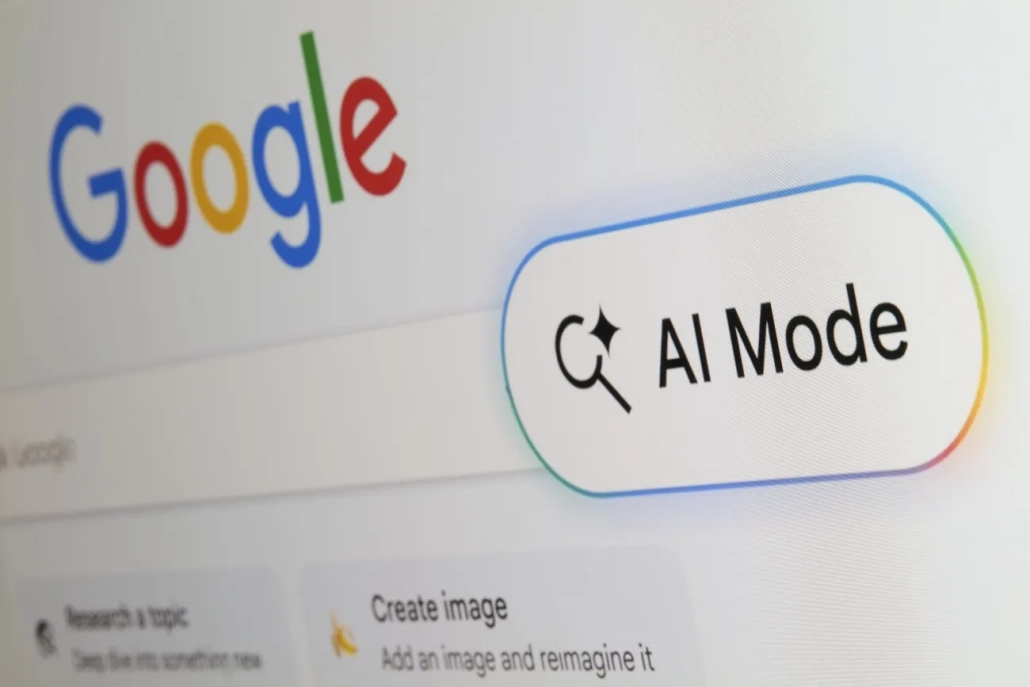
Successful website optimisation, targeted particularly around Google search, has been coveted by businesses for decades. A potential customer might once have typed “PR agency in the North West” into Google and worked through a list of websites. Today, it’s all changed as Google’s AI Mode or ChatGPT interact with users differently and provide a platform for a more specific question: “How can a Cheshire manufacturer get more coverage in the trade press?”
That question, or any other common customer led question, is an opportunity. If your website gives a clear, credible answer, it can help someone discover your business while they’re still working out what they need. Two of the simplest places to start are your blog and your frequently asked questions.
Why AI search is changing how people find businesses
Google’s AI Overviews and tools such as ChatGPT or Claude can give people a direct answer, with links to sources they can explore if they want more detail. For an increasing number of searches, the summary is enough to satisfy the customer.
In a 2025 study of browsing behaviour, Pew Research Center found that people clicked a traditional Google result on 8% of visits when an AI summary appeared, compared with 15% when there was no summary – clearly showing that if you can appear in the AI summary there is a significant business opportunity.
For businesses, that changes where a first impression can happen. A prospective customer may encounter your company in an AI-generated answer before they visit your website. If your content is cited, a single well-written guide can introduce your name and expertise at the point someone is researching a problem you can solve. Interestingly, that summary is also widely perceived as independent and accurate – even though that content has primarily been scraped from the internet by the AI platform.
Use your blog to answer the questions customers actually ask
To get going, start with the questions you hear in sales calls, enquiries and client meetings. These are often more specific than the terms you use to describe your services, and they tell you what customers need to know before they make a decision.
For example, an architectural consultancy might publish a guide titled “What should I include in a brief for an architect?” It could explain the briefing process, required information to share, what the consultant needs to know about plans and uses, and which details can wait until the first meeting. A short, anonymised example could show how a good brief saves time.
Give readers the simplest and punchiest answer near the top, then use clear headings to explain the details. Add a named expert, examples from your work or links to reliable sources where they help. Link to the relevant service page so readers can take the next step when they’re ready.
Put FAQs where customers need them
FAQs work well for questions you can answer in a few sentences – remember to write in the third person so the information can come across as endorsement and independent. A blog can walk someone through a decision in detail, while an FAQ can resolve a practical point as they’re considering a service.
A PR agency might answer questions such as these on its media relations page.
- How long does it take to start seeing results from PR?
- Can you help us reach specialist trade publications?
- How much does a PR agency cost?
- How do you measure the results of a PR campaign?
Write each question in the language a customer would use and give a direct answer beneath it. If the answer depends on the circumstances, explain what it depends on. Put the FAQs on the relevant service pages so visitors can find them at the point they’re deciding whether to get in touch.
Make your expertise easy to find and verify
Don’t worry that the investment you have made in SEO is no longer beneficial as Google says its usual SEO best practices still apply to AI Overviews and AI Mode. Remember to make key information available as text on your website, link related pages together and check that search engines can crawl and index the pages you want people to find. If you want your content to be eligible for inclusion in ChatGPT search summaries, OpenAI advises checking that your site allows its search crawler, OAI-SearchBot.
It’s also important to think about what someone can find about you beyond your website, too. A trade press article quoting one of your experts, a case study published by a client or a profile on an industry association’s website gives potential customers another way to see your experience in context. That’s where PR and website content can work together. A question you answer on your blog could also become the subject of a comment or feature for a trade publication.
How Source PR can help
At Source PR, we help businesses turn the expertise they already have into content their customers can find and use. We can audit your existing website content, identify the questions worth answering, interview your specialists and write blogs, FAQs and case studies. We can also develop those ideas into opportunities for media coverage and industry comment.
If you’d like to get your business found on AI search, get in touch with Source PR. We can help you work out which questions to answer first and where to publish the answers.