

Just Because AI Can Create Your Marketing Doesn’t Mean It Should
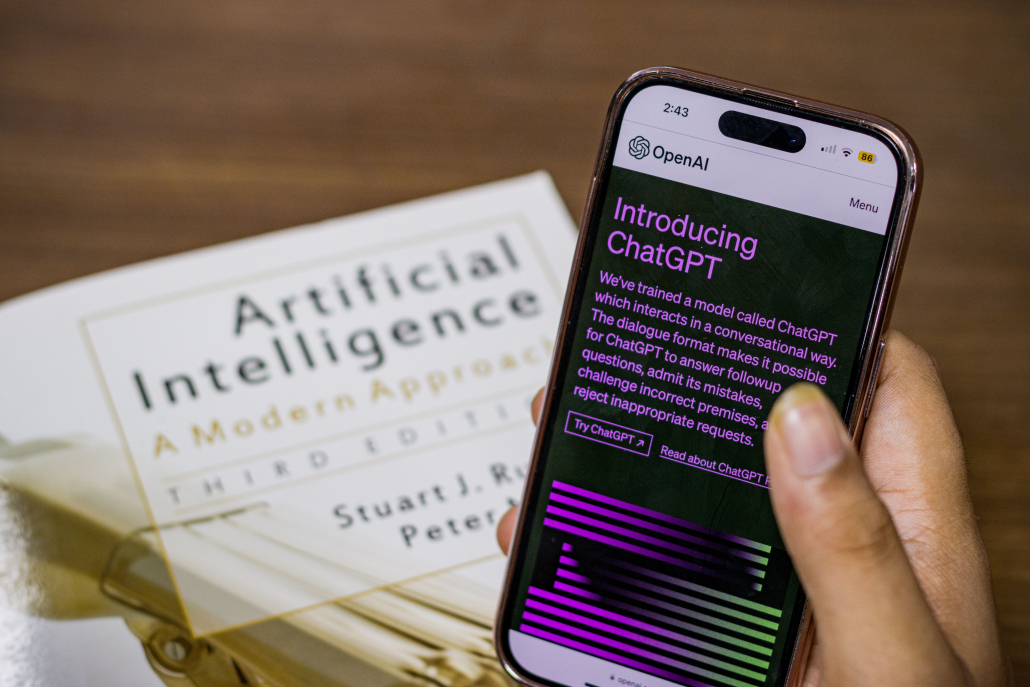
AI has transformed the marketing industry, and in my opinion, it’s one of the most exciting developments we’ve seen in years.
Like many people working in PR & Marketing, I use AI quite frequently. Whether it’s helping develop an idea, analysing data, overcoming writer’s block or expanding on a concept that’s already forming, it’s become an incredibly valuable tool. It saves time, improves efficiency and often challenges me to think about ideas from a different perspective.
That’s why this isn’t an article arguing against AI. It’s an article about authenticity.
Recently, I’ve noticed a growing trend, particularly among smaller businesses, where AI isn’t being used to support marketing, it’s becoming the marketing itself. Instead of photographing a new menu item, businesses are generating AI images. Instead of creating authentic social media content, they’re relying on AI-generated captions and promotional posters that, more often than not, are instantly recognisable.
The issue isn’t that AI has been used. In fact, some of the most innovative campaigns in recent years have embraced AI in clever, strategic ways that genuinely enhance the customer experience. The problem comes when businesses use AI as a replacement for creativity rather than a tool to support it.
Consumers Are Becoming More AI Aware
Not long ago, AI-generated imagery felt impressive because it was new. Now, audiences are becoming far more familiar with it, and that means they’re also becoming much better at spotting it.
It’s the overly polished finish, the almost cartoon-like aesthetic and the subtle details that don’t quite feel real. Even the copy often follows familiar patterns and phrases that make it feel less like someone genuinely wanted to say something, and more like they simply needed to publish a post.
Of course, not everyone will notice these things, and not every AI-generated image is poor quality. In fact, some are incredibly convincing. However, amongst the likes of Gen Z, there is an increasing awareness of AI-generated content and, with that, a growing perception that obvious AI marketing can feel rushed, impersonal or lacking in effort.
Whether that’s entirely fair or not is another conversation. What matters is that perception influences how people feel about a brand.
Authenticity Has Become A Competitive Advantage
For years, businesses chased perfection. Professional photography, flawless graphics and carefully curated social feeds were considered the benchmark of good marketing. Today, I think consumers are looking for something slightly different, they’re looking for proof.
Proof that your coffee really looks like that. It’s proof that your restaurant is busy on a Saturday afternoon. Proof that people genuinely enjoy visiting your business.
When I discover somewhere new, I don’t want to see an AI-generated version of what I might receive. I want to see what I’ll actually be served.
One of the best examples I’ve come across recently is a local coffee shop ‘Cup’ whose Instagram is filled with photographs of its real drinks, homemade bakes, customers queuing outside and videos of the atmosphere inside the café. There isn’t anything particularly groundbreaking about the content, but that’s exactly why it works. It feels genuine.
In fact, it was authentic enough to convince me and a group of friends to make a trip just to visit!
Now imagine if that same account had been filled with AI-generated coffees and perfectly polished promotional graphics. Personally, I’d have been questioning whether the real thing could ever live up to what I’d seen online. That’s the difference.
Marketing shouldn’t just make something look good. It should build confidence in what customers are actually going to experience.
AI Should Support The Process, Not Replace It
This is where I believe AI offers the greatest value.
Need help developing a campaign idea? Use AI. Want to summarise research or analyse campaign data? Use AI. Looking for a fresh perspective on a piece of copy you’ve already written? AI is brilliant for that too.
Where I become more cautious is when AI produces the final version of something that represents your business without any human creativity layered on top. Anyone can ask AI to generate a poster within seconds.
The real skill lies in taking an idea, understanding an audience and turning it into something that genuinely connects with people. That’s where experience, creativity and strategic thinking still matter, and why marketing is about so much more than simply producing content.
Marketing Isn’t About Looking Perfect Anymore
Perhaps the biggest shift I’ve noticed over the last few years is that authenticity is becoming more valuable than perfection.
Consumers are increasingly drawn to behind-the-scenes moments, real photography and businesses that aren’t afraid to show the people behind the brand. They want to know who they’re buying from, not just what they’re buying.
If every café generates the same AI coffee, every florist creates the same AI bouquet and every restaurant promotes the same AI burger, what actually makes those businesses different?
Your products are different. Your team is different. Your customers are different. Your story IS different.
Those are the things that build loyalty, and they’re things AI simply can’t invent.
The Future Belongs To Businesses That Use AI Wisely
I don’t believe the future is AI versus human creativity. The future is both.
The businesses that will stand out won’t be the ones trying to replace people with AI. They’ll be the ones using AI to become more efficient, generate better ideas and remove repetitive tasks, while still investing in authentic photography, thoughtful design, genuine storytelling and creative thinking.
AI can help create content faster than ever before. But trust, personality and authenticity still have to come from the people behind the business.
Because while AI can create your marketing, it can’t create what makes your business worth talking about in the first place.