Tag Archive for: pr

Is It Ever Okay To Create Your Own Communications Channel?

With the news that Donald Trump has created his own platform to communicate his messages directly to those who want to read them, we’re asking: is it ever OK to create your own communications channel?


One of the reasons Trump has set up his own ‘social media’ channel is because he has been banned from Twitter, Facebook, Instagram and YouTube – although despite claims from his office of it being a social media channel, I would say it’s actually more of a website/blog.


In PR, we use various tools to get the message out there. One of the main ways is by getting positive coverage for our clients in the media. ‘The media’ ranges from national TV, radio and newspapers through to regional papers and websites to trade magazines and online equivalents. Whichever media is most read by the audience that the client is trying to reach, is the one that works best.


Credibility through media coverage


The thing about getting the media to write about a company is that it’s not the company itself saying how good it is, but a third party. Third party endorsement is much more powerful than taking out an ad in the media, which is like saying yourself how good you are. Who says?! Consumers of that media know that the company has paid for that ad and it comes direct from them.


Readers/viewers/listeners of a news story are receiving it from an independent trusted source not associated with the company the news is about. Much more powerful and credible.


Compelling content writing


But of course, that’s not the only way we get messages out there about our clients. We do get them to communicate directly as well. Whether that be through creative and interesting content on their website, in the shape of blogs for example, or through engaging content on their social media platforms or through newsletters to their subscribers.


By communicating directly, a company has more control over what is written, and of course that’s what Donald Trump wants, especially as he has been so famously vocal in the past about ‘fake news.’


Newsworthy or not?


So is there anything ‘controversial’ in what Trump has done? No not at all, it’s a standard way of a person or an organisation communicating its messages directly to an interested audience. In fact, I would say despite the media attention it got, it’s not even that newsworthy.


But of course, it’s the person behind it, along with his infamy, reputation and social media bans that has got the media’s attention. That and whatever content he might publish on there when he will not be under the constraints of presidency and regulated social media rules. Hardly any new blogs or websites would get this sort of attention, and as a PR agency we would welcome this amount of media attention for our clients!


Our verdict


So yes, we would say it’s definitely OK (and, in fact, a good thing) to communicate directly with your audience as long as the content is relevant and compelling. But do it alongside other activities and get third parties to tell your story as that’s much more powerful. I can tell you how great I am, but if someone else tells you, you’re much more likely to believe it!


To find out how we can help you communicate directly and through the media to your audience, please have a look through our case studies, follow us on social media and get in touch on the phone or through email – 01829 720 789 / janet@sourcepr.co.uk.


Twitter

Facebook

Instagram

LinkedIn

WHY COMMUNITY MATTERS IN YOUR PR STRATEGY

Community relations – sometimes known as CSR (Corporate Social Responsibility) – can be overlooked in the face of immediate, tangible benefits. However, a good PR strategy will consider community and the value of it for your brand. Whether that’s using your platform to champion smaller businesses, or actively supporting charities and organisations.

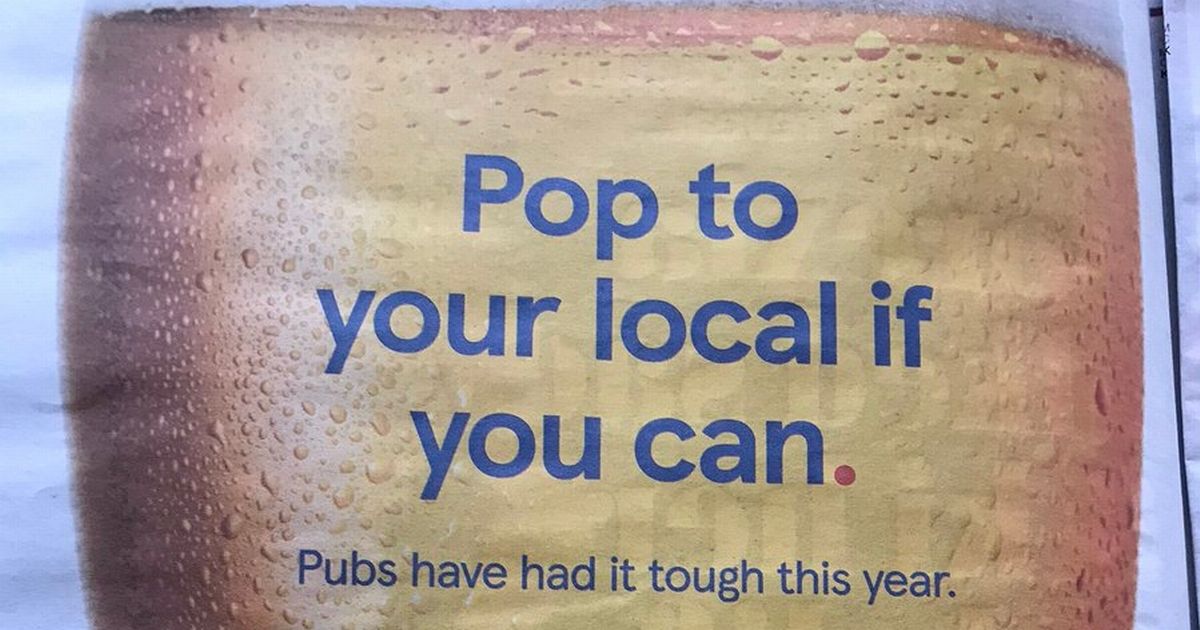
This was proven very recently on April 12th, as pub beer gardens opened across England as part of the Government Roadmap. With the hospitality industry arguably one of the hardest hit amid the Coronavirus pandemic, Tesco decided they would dedicate their advertising space on this monumental day to a better cause. On Monday, they launched the following ad in multiple English newspapers.

Tesco April 12th Print Ad

This kind of media coverage would have been costly, so the idea that Tesco used it to champion smaller, local outlets as opposed to their own business, was very well received. It’s the perfect example as to why community relations matter in any PR strategy. Whether your business is large or small, you cannot go wrong with CSR.

Let’s explore why…

Why You Should Consider The Role Of Community Relations In PR

Community relations are so important to any brand for a multitude of reasons. Some of which include:

  • Building a better brand reputation
  • Making your brand more recognisable in the local area
  • Giving your brand a personality
  • Showing consumers that they’re buying from a brand that cares

For these reasons and many more, is why a whole host of brands work hard on their CSR strategies. Community relations isn’t a black and white area of PR, there are different things that businesses can be doing to improve their image, and it doesn’t matter how big or small your brand is. Some of the things a business can do include:

  • Adopting a sustainability policy
  • Fundraising for charity
  • Donating a portion of sales to charity, such as a % of a sale from a certain product
  • Using a bigger platform to champion smaller businesses
  • Working with local schools and organisations
  • Supporting employees and their own community initiatives
  • Backing smaller sports teams
  • Lobbying for change using your own platforms
  • And so much more (why not ask us what would work best for your brand?)

Why The Tesco Ad Worked

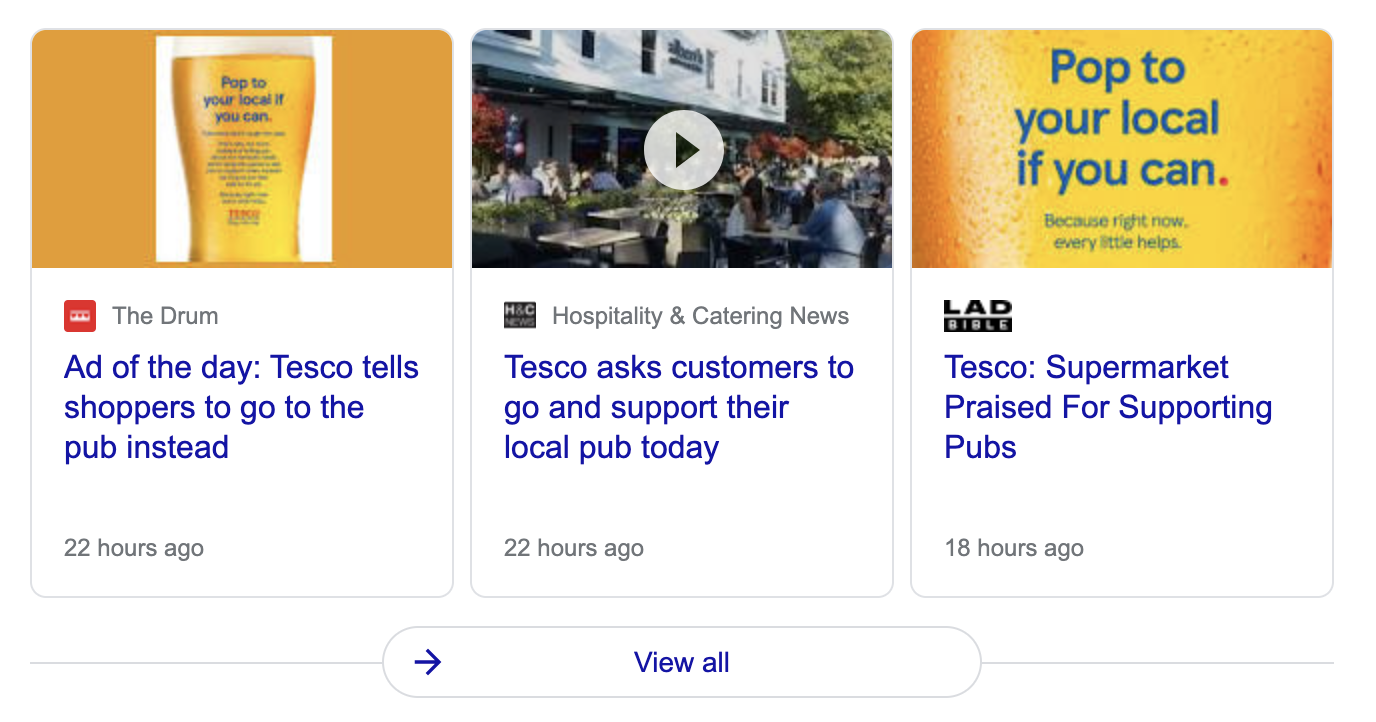
Going back to Tesco and their print advertisement, though it didn’t directly promote their products, it still helped to give the brand a push and generate positive coverage. Tesco’s selfless community relations act ended up returning far more than we can assume a traditional advert would have. Results included more conversation on social media and more positive feelings towards the brand.

Tesco Exaxample Of Community Relations

This links into the age-old debate that PR is not always about ROI and sales. It’s about building a better and more engaging brand. One people recognise as caring and community-driven. This reputation is worth way more than a single newspaper advert. Furthermore, Tesco still got great coverage in the online media as well as from their print ads. Not to mention the fantastic reaction on social media. A traditional advert would never have piqued attention quite like this.

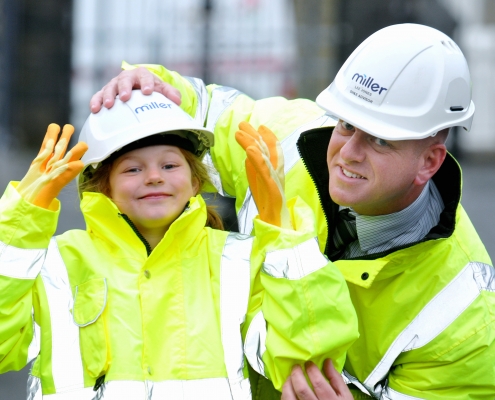
Whilst linking up and supporting your community – whether on a local or national level – might not return immediate sales, it’s a crucial brand-building exercise that any good PR strategy should consider.  At Source PR, we often work with our clients to bring them together with the local area. We often support with this kind of community relations PR work with Miller Homes, one of our clients in the property industry. If you’re interested in finding out more about how this works in a PR strategy, read our case study. Want to know more? Why not reach out to our team?

FINDING WORK EXPERIENCE THAT’S RIGHT FOR YOU

Written by our PR intern and university student Bridie Buckingham

Work experience is something we’ve all heard of. Whether at high school or university level, every teacher I’ve ever had has stressed the importance of ascertaining some sort of experience before I graduate.

Being able to detail relevant work experience on your CV will help you stand out when applying for graduate jobs. It’s a real selling point to employers if you can show that you have experience in your field or have been able to hold down a steady job whilst studying.

Any sort of experience is better than none and luckily, there’s an abundance of ways to step on the ladder.

What Kinds Of Work Experience Is There?

Internships

For those wanting to take their first steps into the working world, an internship is a great way to start.

Internships are usually the first port of call when it comes to giving your CV an emphatic boost and can be very helpful in helping you navigate your chosen field. As well as this, internships can also be invaluable in deciding whether your chosen profession really is the career path for you.

Internships are also often very flexible in terms of duration with some lasting only a few days and others a whole year. What is perhaps worth considering is that in all cases, is that it’s best to start early, as the competition can be tough.

Summer/Part-Time Jobs

Perhaps one of the best things about university is the way in which you can introduce yourself to the working world at a leisurely pace.

Internships are not for everyone, however, there is something incredibly rewarding about getting a job to help with finances and experience.

If you don’t wish to commit to an internship, then what about a part time job for work experience?

Hospitality work is obviously the go-to industry in many instances, but anything goes. It all counts as experience and it looks far better on your CV than blank space. You can even squeeze these jobs into the summer holiday if working during semester time is too stressful for you.

Societies

Often overlooked, being part of a society can work wonders for your career prospects and give you some great work experience. It can offer you the opportunity to test your skills of organisation, delegation, events creation, finance management and more importantly, interpersonal relationship building.

You don’t even need to be high up in the ranks.

Simply taking up a role within a society shows a willingness to work together with others. It will hone your ability to work towards a common goal and help you network with others you might not otherwise have the chance to interact with on campus.

Volunteering

A combination of both the easiest and hardest thing to do, volunteering can provide many benefits to a future career (with the added feel-good bonus that comes from helping others).

It can be tricky getting a foot in the door initially – however it is worth the time and effort.

At the same time, volunteering can often be a far more exciting option than a paid placement – sometimes even leading to travel across the globe.

Put simply, volunteering your time can be an incredibly rewarding work experience in terms of personal and professional growth.

However, I know this isn’t for everyone as it wasn’t for me either. With financial situations as they are it can sometimes be hard to justify an unpaid placement over a steady income.

At the end of the day, experience is experience so don’t feel pressured to do the one that ‘looks better’ because any path you take you’ll be one step closer to that dream graduate job.

Whatever you decide, the bottom line is this: all forms of work experience are beneficial. I really valued my work experience, I met some great people and got to experience first-hand just what it was like to work in the PR industry.

In fact, I loved it so much that I decided to stay on and here I am 18 months later.

HOW POETRY CAN BE USED IN COMMUNICATIONS

This article first appeared in Creative Moment and was written by Janet Hare.

Poetry has been around for thousands of years and has given the UK alone heaps of famous and infamous poets such as Chaucer, Keats, Wordsworth, Dylan Thomas, Robbie Burns, Sylvia Plath and many, many more.

Typically though it is known as a niche market, with long-form novels selling far more copies than even the most popular poet. Although Nielsen BookScan did report a 12% increase in poetry book sales in its 2018 report.

Most people see poetry as something they had to learn at school and were pleased to leave behind as they reached adulthood.

And it’s definitely not known as the dominant written form in our lives today. That accolade probably belongs to text speak, alas.

So, if that is the case, then why is poetry being used so much these days in marketing and communications?

Many big UK brands and their ad agencies have taken to using poetry in their broadcast advertising over the last 12 months or so. Nationwide and Co-op are two such companies., as well as EE and OVO.

Starting in 2016, Nationwide ran a series of ads along the theme of ‘voices’ which were designed to highlight the life and diversity of British society. The campaign was brought to life by 31 spoken word poets who lived and worked across the UK. They were given broad themes to work from and wrote original poetry under the subjects such as home, family, friendship.

The campaign apparently helped the building society grow its share of switched accounts to 20%.

It was during that year that I first saw and heard Matt Abbott’s ‘This place is ours’, his poem for Nationwide on what home meant to him. It totally held me captive whilst he talked about his Mum’s roast dinner and dressing gowns being worn all day in his Yorkshire tones. This was real life. This spoke to me.

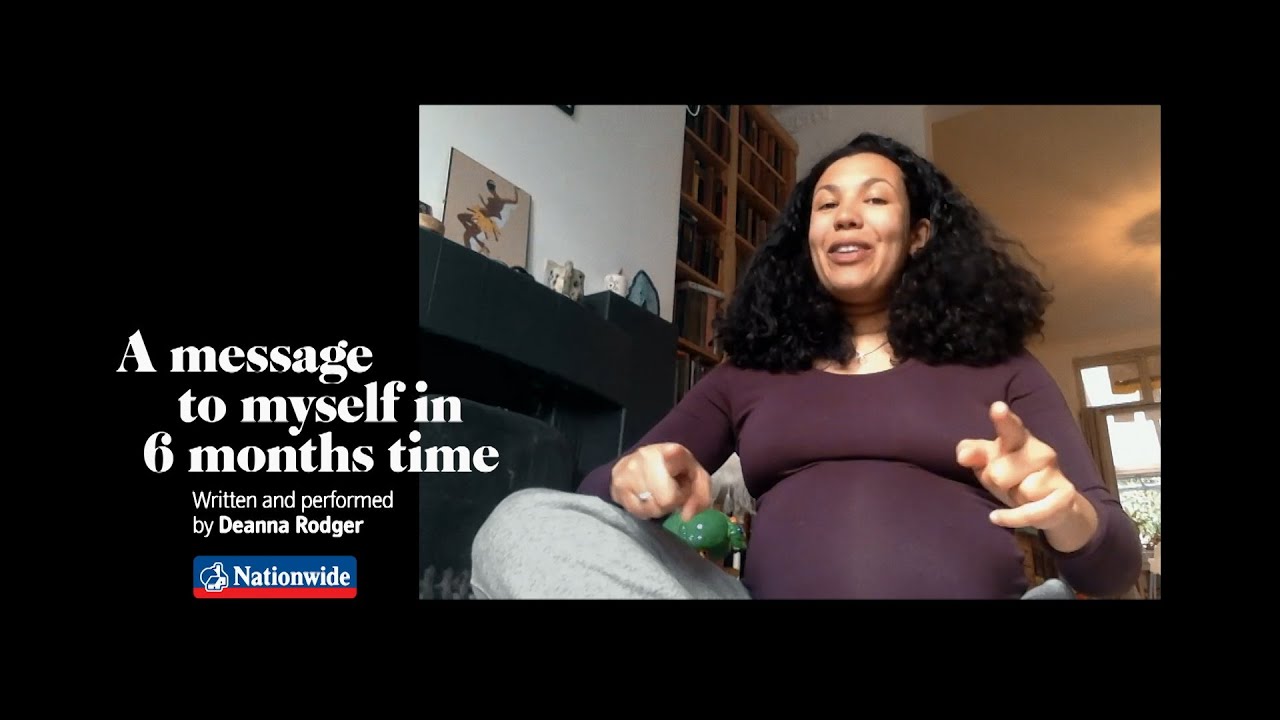
The Voices campaign has been so successful for Nationwide that it’s still running now. In 2020 it even featured poems about the Covid pandemic from the likes of Matt Abbott and his partner Maria Ferguson, titled ‘A message to ourselves/myself in 6 months’ time.’ The Covid-time ads focussed on the theme of how things would be different in the future.

Nationwide The Voices Campaign

Image credit: The Drum

Since then, and particularly in the last 12 months, I have seen numerous other companies take to poems to express themselves in TV ads, such as the Co-op with its ‘Power of hope’ campaign which used a poem based on spoken word artist Sarah Adedeji, ‘All the people giving double’, about people’s struggles and double efforts during Covid. Even Coca-Cola has got in on the act using spoken word artist George the Poet in its TV ad marking the cultural significance of the pandemic.

So why? Why is poetry suddenly being used to communicate messages?

The answer seems simple. Empathy.

Advertisers and communicators recognise that people have turned introspective during the pandemic, spending more time contemplating. Contemplating what is important in life. And spending more time at home has given people more time to be aware of their feelings. They’ve had time to stop and think. Advertisers have recognised this. They have read the room and realised that empathy is where it’s at with good communication right now.

And it’s not only advertisers that have become aware of this. President Biden’s inauguration in the US didn’t just feature pomp and ceremony and politicians giving speeches and elbow bumps. It featured a young, black, female poet, Amanda Gorman delivering ‘The hill we climb’ poem she wrote for the occasion.

In the hours following the ceremony, social media erupted with astonishment at how powerful the poem was and how amazing Amanda, the US youth poet laureate, was in her delivery. The positive media coverage continued the next day and beyond. The impact it made was incredible.

Why did the Biden administration decide to use poetry for this world-stage event? Because they read the room and knew with all the turbulent times the country had seen, what they needed to do now to appeal to the population was show what hadn’t been shown before. Empathy.

I fully expect that Amanda Gorman’s performance will only further propel the use of poetry in communication and as an English Literature grad, that’s something that I look forward to very much.

HOW HAS THE WAY WE CONSUME NEWS CHANGED?

There are no two ways about it: the way that we get our news has changed over recent years. Accelerated even more so by the pandemic. More than once last year, simply popping out for a paper was not allowed, forcing more of us to consume content online than ever before. At The Source, we are advocates of the #BuyAPaper campaign and are not ignorant of the value of regional print coverage. It’s still an incredibly crucial source of local news. However, it is also important to recognise that the way we get our information is not the same as it was 20, 10 or even 5 years ago. But what does this mean for PR?

Breaking News: We Don’t Always Get Our News From The News

Social media has become really important in the last decade, now, not only is it a resource for connecting with friends, but it’s also a place for learning, venting, creating and most importantly to us – consuming news.

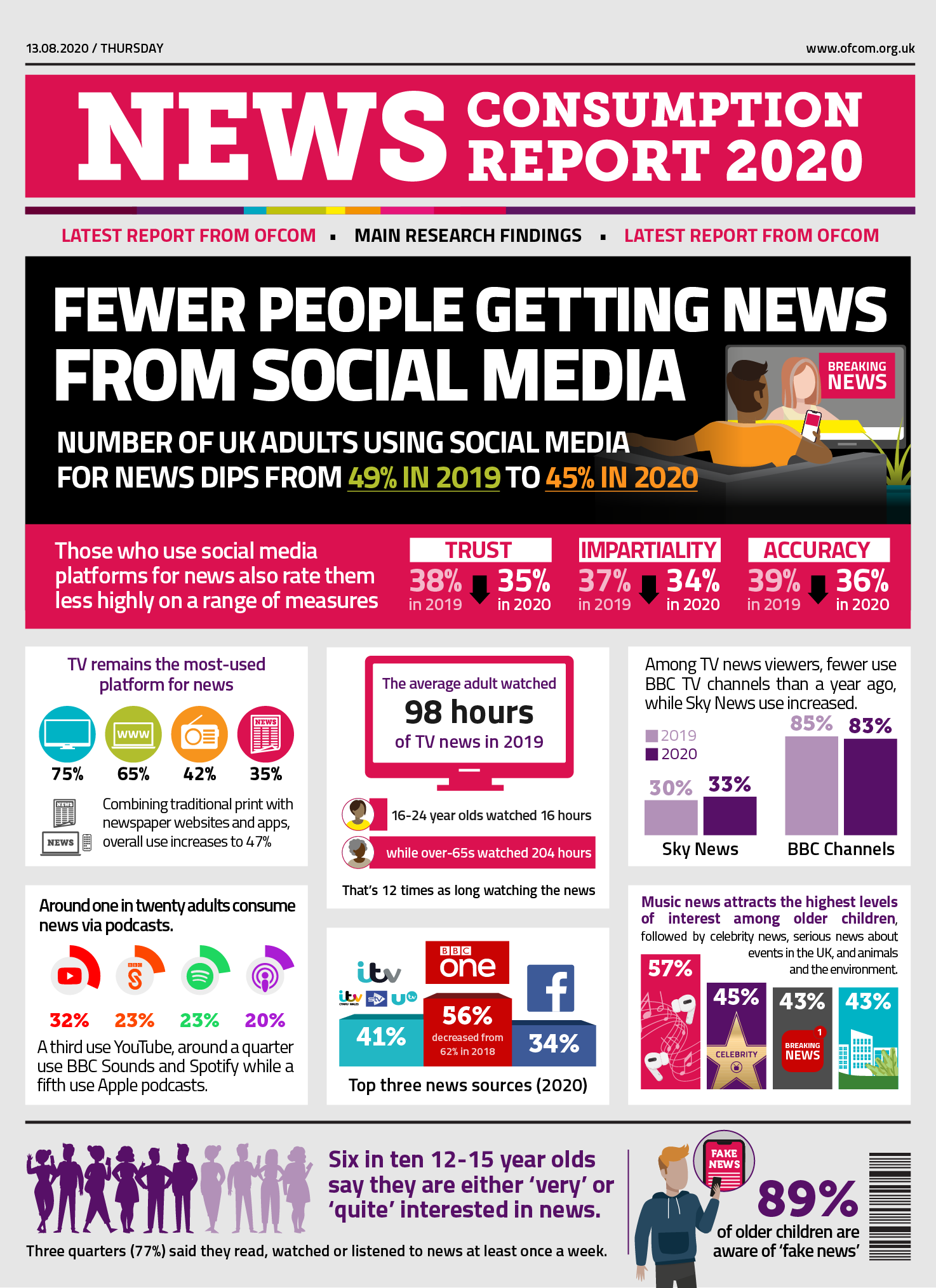
Around 45% of people say they get their news from social media, which is probably much higher than many would have thought when you consider various the demographics of the UK and the number of ways that you can actually get news such as radio, TV, newspapers and online websites.

Image credit: Ofcom

Apparently, gone are the days where you’d pick up a paper or switch on the 10pm news to find out what’s happening in the world. Thanks to smartphones and social media, we now have everything we could ever need to know at our fingertips. This has been highlighted even more so throughout the Coronavirus pandemic.

Recently, weekly reports from Ofcom have been analysing how the UK population has been getting its news through the Coronavirus crisis, unsurprisingly around 83% use traditional media to find out new information, but only 65% say it’s their most important news source.

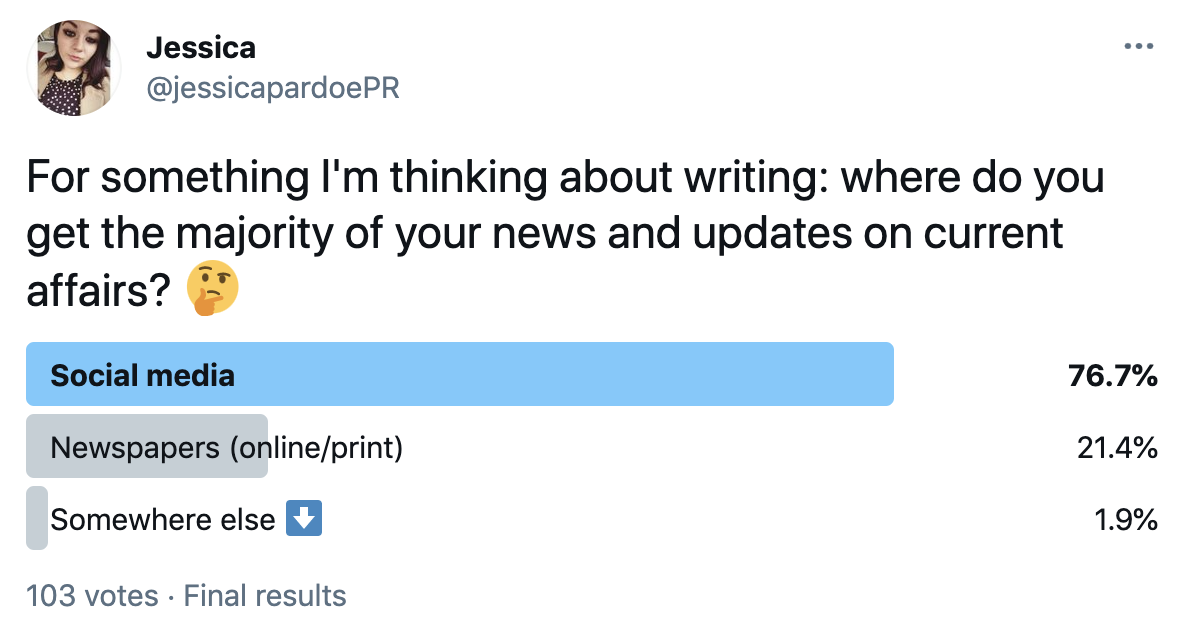
We thought we’d put all this information to the test and find out in real-time how people are getting their news in 2021. The results show that whilst traditional media outlets are still valuable, social media is fundamental to most as a way of keeping up to date with current affairs and local news.

Of over 100 respondents, a staggering 76.7% said that without question, social media was their primary source of news and updates.

News Consumption Survey 2021

What Does This Media Shift Mean For PR?

When you run a PR agency, you need to be tuned in to the media landscape and how it changes. Ultimately as PRs our job is to improve the reputation of our clients, and to generate exposure for them on the platforms where this is most worthwhile.

This means that we need to be leveraging the most appropriate platforms for our clients at all times and understand that the way in which news is consumed can – and does – change.

Social media is incredibly important, yet sometimes it can be overlooked in the face of generating tangible PR coverage. It’s great to say you got a client’s community story in the local paper, or a backlink in the national of course, and we’re not saying that this coverage isn’t important. But we also know it’s important to look beyond the traditional methods of PR. Content should be shared in all the relevant spaces, and that includes social media now more than ever. After all, the numbers don’t lie. When your brand has a story to tell, you should be broadcasting it on Facebook, Twitter, LinkedIn, maybe even TikTok, as well as with local and national newspapers.

Will the way we consume news change again in the future? We’re pretty much counting on it. And will we be prepared for it? You can definitely count on us for that.

To find out more about how we build and protect reputations through various PR and marketing methods (that leverage the most up-to-date news sources) then why not get in touch with our team? We’re always up for a chat about what we can do for your business. Reach out via our website now or connect with us on Twitter or LinkedIn.

WHAT WE’VE LEARNED ABOUT PR FOR HISTORIC HOUSES

Having a rural PR division, we have represented various countryside historic houses over the years, with one of the best examples of our work coming from current client Combermere Abbey, which is a 12th-century abbey based on the Cheshire/Shropshire border. Other examples of venues that we’ve worked with include the Cholmondeley Estate, Adlington Hall and the Wiston Estate in Sussex. Handling PR for historic houses is a tricky aspect of marketing to navigate, as there are often a lot of moving parts as well as many things to learn; but with such a wealth of experience in this field, we’ve learned a thing or two that we’re going to share with you today.

PR For Historic Houses: Our Lessons Learned

There are so many things we’ve learned over the years at The Source from the various clients we’ve worked with, we cover both B2B and B2C industries – as well as having specialities in rural PR and marketing; this means that the team have adept knowledge of the multiple sectors in which we’ve worked. Historic houses PR is one good example, we’ve worked with multiple venues and though each is different, there are universal lessons to be learned from all.

  1. You have to become a total expert

When you work with a historic house, you have to be prepared to learn a LOT. They are called historic houses for a reason – because they have a wealth of history. We put our all into learning everything there is to know about our clients and their backgrounds – no matter how many centuries that may span over. We’d definitely recommend spending time with your client, in person if you can, learning all there is to know. One of the first things you should be doing is taking a guided tour of the venue if that’s an option for you.

  1. Be prepared for unforeseen circumstances

You should have contingency plans in place for all clients, but for historic houses in particular. The Covid-19 pandemic has impacted so many businesses and has not spared the tourism industry. If you’re handling PR for historic houses, there’s a good chance you’ll be promoting tours, open days, overnight stays, perhaps even weddings. All of these had to cease at one point over the last year due to Coronavirus. We’d recommend being well prepared for any eventuality like this and keep an eye on what support there is too. Luckily in 2021, we have had clients who were the recipient of the Culture Recovery Fund, outlined by the Government DCMS and was supported by The National Lottery.

  1. You’ll manage mini sectors all within one business

Most historic houses, especially those that are privately owned, will have multiple strands of their business to generate revenue. For example, open days, tours and overnight stays are commonplace amongst the clients that we have represented. Sometimes even weddings. This means that you’ll be promoting multiple different offerings under one entity, you’ll need to practice specific PR skills, such as travel, local, wedding and more, all of which do differ. The more you’ll work on the accounts, the more you’ll learn and that’s what makes this kind of PR so rewarding.

  1. Get ready to engage with multiple organisations

One of the best things about managing communications for historic houses is that you’ll find there’s a lot of localised support. We work closely with local organisations such as Historic Houses, Marketing Cheshire, VistEngland and Visit Shropshire to further promote our clients to lovers of local attractions and heritage. These groups can be instrumental in your strategy, as you know their audiences are going to be interested in the venues you’re marketing.

  1. You’ll think you know everything… But you never fully will

In our first point, we said that you need to be prepared to become a total expert around the historic houses that you work with, and that’s true, but also expect to never stop learning. When your client has centuries of history, there are always more stones to be overturned, and that’s why we love working with venues like this so much. In PR, they say you never stop learning, and it’s safe to say that we can certainly relate.

  1. There’s so much to love

At Source PR, we become an extension of your team, whether that’s working with marketing, sales or even business owners. We become so passionate about the businesses we work for, and we’ve found that to be our experience when working with historic houses in particular. When you manage PR for historic houses, you learn so much about them, and you play an important part in bringing the magic of them alive for many people. We live and breathe our clients, and we wouldn’t have it any other way.

Support With PR For Historic Houses

If you’re a historic house owner or manager in the UK in need of PR, social media, digital or marketing support, then please do get in touch. We’d love to show you what we can do. You can speak to our team via the contact form on our website, or by calling 01829 720 789. Or you can find out more about our most recent PR work for historic houses by reading the case studies on our site.

LIFE AS A STUDENT AND INTERN DURING A PANDEMIC

Written by our PR intern and university student Bridie Buckingham

I think it is safe to say that this past year has not been kind to us. Staying at home, working from home, studying from home: they’re taking their toll. It is not always easy to adjust to a ‘new normal’ but never has it been more necessary.

For someone who has always struggled with time-management, this new normal has really given me the push I needed to stay ahead of the game. Balancing work, student and home life has always been a demanding task, but now that they are all crowded within the same four walls, it can seem a bit overwhelming at times.

It is all too easy to allow yourself to get bogged down with the negativity, but those anxious feelings are never going to dissipate unless you adopt a more positive mindset. I struggled a lot, as I’m sure we all did, during the first lockdown but as time has gone on my outlook has changed. Whether you have used this period for self-improvement, or you’ve simply taken a step back to recharge, both are valid. There is no need to force productivity, it only fuels negativity. A healthy mind is the most important asset to have right now and if that comes from spending time with family and putting work on the backburner then finding a healthy balance is essential.

This is something I wrestled with in the first lockdown, juggling being a university student, work and home life seemed impossible at times yet now I sense big tops in my future. I am lucky that the team at Source PR are so accommodating, allowing me to work around my online classes. Without their help I don’t think I would have been so fortunate. It is strange not being able to see them each week, only communicating via email or WhatsApp, it makes me miss the office, but I know we will be back one day. For now I am enjoying life as an intern, each week is different, allowing me to explore the world of PR whilst also gaining valuable work experience in the field.

When it comes to studying from home, I was sceptical at first, but it has turned out to be a blessing in disguise. All my lectures have been delivered seamlessly and on time, with help available at every turn. Delivered via teams, the seminars are still as interactive as ever, in fact I think the delivery is advantageous as many people who were too shy to give input in face-to-face seminars have gained confidence from the comfort of their own home.

With my family also working from home, bandwidth problems are a reoccurring nightmare in our house, with several of us trying to access classes via teams at the same time, we sometimes struggle to get a clear connection. As a student, the work sometimes piles up but with regular half-terms and reading weeks it is easy to catch up. Overall, I think my second-year experience has been the best it could’ve been considering the circumstances; however I can’t say the same for first years.

To add to the mayhem, I also challenged myself to learn a language this year. In a joint venture with my sister we decided to teach ourselves Korean as we have always wanted to visit South Korea. I have dreamed of living abroad and being able to speak another language fluently since I was little, so I thought if now isn’t a good time to start, when is? With my TEFL (Teaching English as a Foreign Language) end of year module coming up in just a few short weeks, I hope I will get to put my new skills to good use and take myself across the globe, Covid permitting of course.

For more insights and regular blog updates, you can find us on Facebook, Twitter, Instagram and LinkedIn. You can also get in touch via our website.

안녕히 계세요 (annyeonghee geseyo)

SOCIAL MEDIA ADVICE FOR B2B COMPANIES

Social media marketing is pretty vital to every company, but it’s easier for some than it is others. Marketing plans can be particularly tricky to navigate at the best of times, so we’re here with some social media advice for B2B companies from The Source team. We have a wealth of experience in B2B PR support, which includes content marketing, social media and media relations and from that experience, here’s what we recommend.

Top Social Media Advice For B2B Companies

Click on the links below to jump to specific social media advice for B2B companies…

  1. Find the right social media platforms
  2. Utilise industry news
  3. Remember that people like people
  4. Keep things interesting
  5. Leverage appropriate hashtags
  6. Don’t underestimate Facebook groups

Find The Right Social Media Platforms

Not every platform will work for every company, that goes for B2C industries as well as B2B. For example, TikTok marketing is a great opportunity for brands with a visual appeal, such as tourism providers, wedding dress manufacturers and cosmetic companies. Other platforms, such as LinkedIn, work much better for B2B marketing, especially for service products such as CRM software, for example. There’s no one way to decide which social media platform will work best for your B2B company, so the best way to approach is through trial and error. See which types of content get the most engagement, and where. Traditionally, though, we’d match the following top platforms to the following sectors..

  • Instagram – mainly B2C, with opportunities for B2B
  • Twitter – mainly B2B, with opportunities for B2C
  • Facebook – both B2C and B2B
  • TikTok – mainly B2C, with opportunities for B2B
  • LinkedIn – mainly B2B
  • Pinterest – mainly B2C

So, if you’re heading a B2B company and want to give social a go, it’s worth dipping your toe in the water with LinkedIn, Twitter, Facebook and potentially Instagram and TikTok also. We have some more social media advice on what kind of content to focus on below.

Utilise Industry News

You shouldn’t be content curating all of your posts, as most of your audience will be following your accounts because they want to hear from you, however, utilising relevant industry news in posts is a good way of keeping your audience informed of relevant and interesting developments. It keeps you abreast with your sector and positions you as an expert in that field, furthermore, it creates a good mix of content to keep your strategy fresh and current. We’d recommend around an 80:20 ratio of curated to original content, but don’t be afraid to mix this up week on week.

People Like People

As we mentioned above, people like people. Though you’re selling ‘business to business’, there’s still a person behind that brand at either end. A study by Princeton University proposed the stereotype model, which boils down to the fact that people judge others on their warmth and competence. The more ‘friendly’ you appear, the more likely people are to trust you – this applies to your social media followers too. Though it’s important to draw a line and remain professional, it’s also a good idea to be conversational in your content and help build trust in your brand. Harvard psychologist Amy Cuddy says it’s important to demonstrate warmth first and then competence, especially in business settings. A lot of effective social media marketing begins with an understanding of human psychology.

Keep Things Interesting

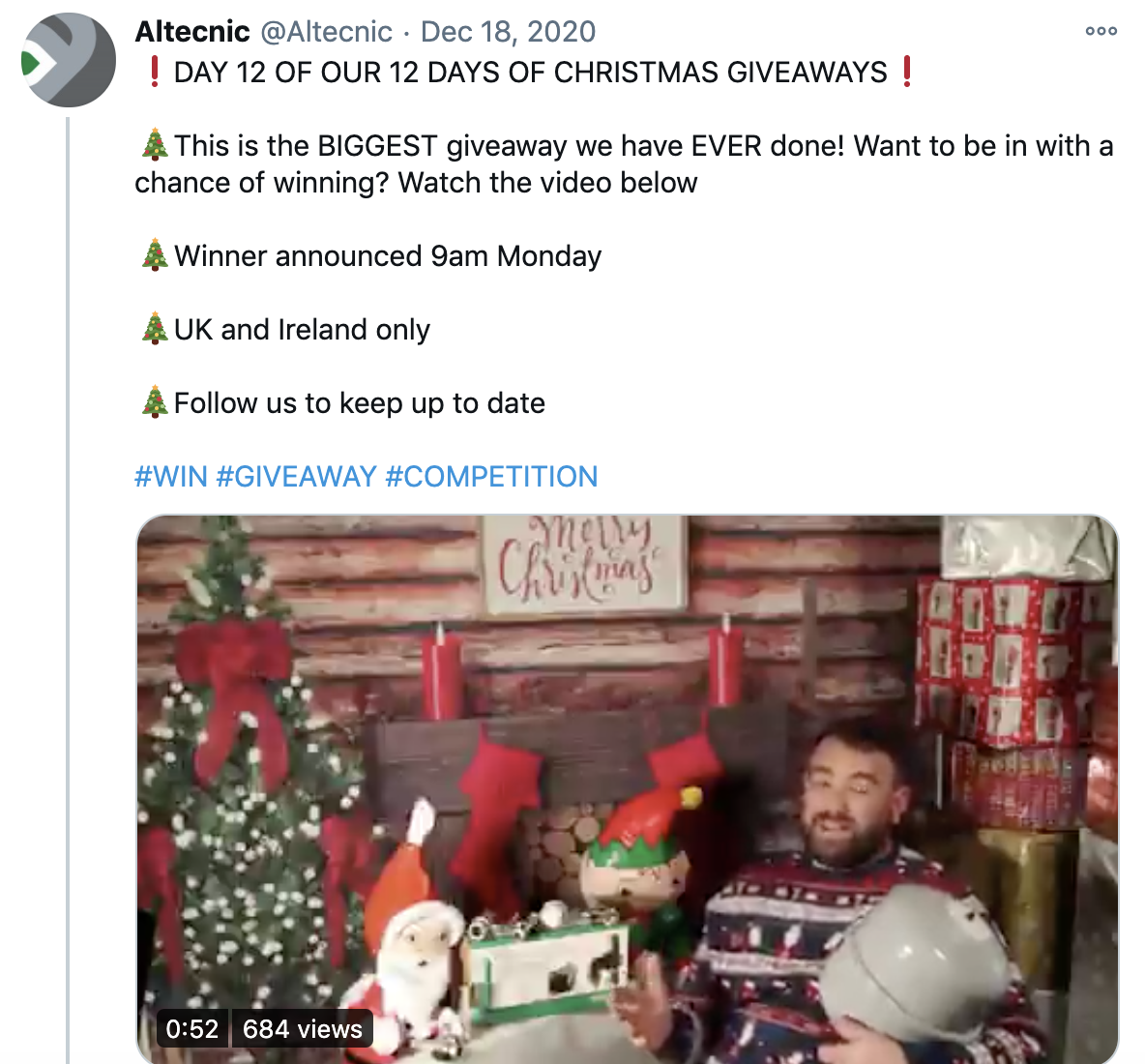
It’s a common misconception that B2B communications have to be stiff and corporate, try injecting a light tone of voice into your content or experimenting with light-hearted competitions for engagement. With one of our B2B clients Altecnic, they ran a 12 days of Christmas giveaway which included a daily video of their Technical Manager dressed as Santa. You need to remember that your audience is human and keeping things engaging is a sure way of retaining engagement and growing following. If there’s a certain lull, never underestimate the power of a social media giveaway either, no matter your industry.

Social media advice for B2B companies: competitions

Leverage The Right Hashtags

Researching into hashtags is never time wasted. You can now use hashtags in your posts across LinkedIn, Instagram, Twitter and more recently, Facebook. One of our B2B clients frequents the ‘#PlumbersHour’ hashtag because this is where their core audience is. Hashtags are often followed by those interested in that kind of content, so if you have a specific audience of your B2B brand, then find out what the kind of conversations that they’re already in, and join in. You can discover hashtags through researching related terms on Instagram and Twitter, and also by looking at what other influential accounts are tapping in to.

Don’t Underestimate Facebook Groups

Finally, our last piece of social media advice for B2B companies is not to underestimate the power of a Facebook group. Similarly, to leveraging hashtags, Facebook groups can be a great way to find your audiences. In 2019, Facebook announced that Facebook says there “are more than 400 million people in groups that they find meaningful”, meaning there’s a huge potential audience if you know where to look. Start by searching keywords on Facebook that are relevant to your brand for example “food manufacturing”, “plumbing” or “health and safety”.


For more advice and support for B2B PR, social media, content marketing and more, please get in touch with our friendly and experienced team through our website. Or, you can keep up to date with what The Source is up to on Facebook, Twitter, LinkedIn and Instagram.

WHAT MAKES THE BEST PR AGENCY?

As the new year begins and we enter a third lockdown, now seems the right time to think about what will make the best PR agency for clients whether in Manchester, Liverpool or the North West.  Here, we share our thoughts on what makes a PR and social media agency successful and how good client relationships are the secret to taking marketing results to the next level.

Key Characteristics Of The Best PR Agency

Know the client. I mean really know the client

One key skill for PR executives working in agencies is the ability to juggle various client demands at any one time. It can be very challenging working in a PR agency, but it does allow executives to get a broad range of experience under their belts, which in turn adds value back to clients.  You can really become mini experts in a number of different industries in no time, and the best PR agencies will always be the embodiment of this skill.  After working client side, I realised that there’s always more to know about a business, to understand its strategic decisions and its relationship with stakeholders.  If you can take this in-depth approach and apply it on the agency side, whether for B2B clients or B2C clients, you not only offer better communications advice but can also help shape the client’s business direction.

Put substance before style

I’ve never been a big fan of the PR stunt or more general ‘PR puff’.  Although creative ideas remain the backbone of what we offer, the best PR agencies should always consider whether the proposals are achievable and whether they deliver real returns and impact for clients?  There’s nothing worse than a Mr Negative in a creative brainstorm or planning process, however the best PR agencies always keep an eye on the prize and an effective balance between style with a healthy dose of substance behind it all.  Over promising and under delivering is the worst of all worlds.

Tell the truth, the whole truth and nothing but the truth

When looking back on my career, I do recall a moment when working in house for one of the UK’s leading retailers and we were advising the board on how to handle the media in light of a poor set of annual results.  The CEO was his usual bullish self, pushing for us to make this claim or that.  I realised then that my boss, a very successful director of communications, was essentially the grey man of the boardroom by only telling the CEO wanted to hear.  I made a vow to myself never to be that grey man and to always offer honest PR / communication advice based on experience.  Clients are at liberty to adopt or ignore it but for effective relationships, always be honest (perhaps that’s why I never became a Director of Corporate Affairs..!?). To us, this is one of the most important things that makes the best PR agency.

It costs how much?

The days of big spending PR campaigns may be over, but the requirement for showing a return on investment is omnipresent.  It has never been more important and the best PR agency will always demonstrate that great ideas shouldn’t cost the earth to deliver. We live in a quicker, more transparent society and one that does allow great stories and content to be shared easily.  Also, if you know your client, you should know what they need to spend to succeed – don’t turn your back on big budgets but always be aware of what will be delivered in return.

Know what PR campaigns work

You’d be amazed how many clients still view being on a breakfast TV sofa as a success.  Be honest from the outset and tell B2B PR clients that sales of their new widget are rarely achieved after an interview with Phil or Fern.  Be targeted, selective and know their customers and where their products or services need to be – this adds real value.

Be supportive and flexible

With Covid 19 still causing business disruption, the best PR agencies will continue to be flexible and supportive of their client’s changing needs and priorities – including knowing how to handle a crisis situation.  Having the right strategy and the flexibility to evolve it ensures a client’s business remains focussed on priorities and the changes on the ground.  Our work with Combermere Abbey is one such example of a business that faced hardship due to lockdowns but came out stronger on the other side.  Let’s hope the same is true for other businesses as we eventually emerge from this pandemic.

If you’re looking for a PR agency or social media agency in Manchester, Liverpool, Cheshire or the North West, please get in contact and let us show you why we are the best PR agency.

A GUIDE TO COMMUNICATING THROUGH THE THIRD LOCKDOWN

For the third time in our lives, and thanks to the Covid-19 pandemic, England has been plunged into a third nationwide lockdown. Clear instructions were given by Prime Minister Boris Johnson on Monday that we must “stay home, protect the NHS, save lives”. This means that non-essential retailers are to close, with most hospitality outlets such as pubs, restaurants and hotels being closed already due to pre-existing tier restrictions. Navigating the next few months is without a doubt going to be tricky, but we at The Source are on hand to support you with any questions around communications you might have.

Should You Be Continuing With PR & Social Media Through Lockdown?

We might be biased, but we believe it is crucial to continue communicating with your customers, even during periods of total closure. There are many reasons for doing so, which we will explain further below. But first, we’d direct you to our PR case study for Combermere Abbey, a luxury wedding venue and holiday accommodation. Throughout the first and second lockdown, this client retained their PR and social media activity, understanding the importance of consistent communications. As a result, following the lifting of restrictions last summer, the abbey was inundated with bookings, and enjoyed a busy year, all things considered.

A social media campaign we ran for our client Combermere Abbey got great engagement during lockdown, read our case study to find out more…

The financial implications of a third lockdown mean you might be wondering whether a PR and social media strategy is worth the budget, we believe it is because…

  • Your competitors may still be communicating, and you don’t want to lose customers to them if you go quiet.
  • People will want things to look forward to, you can get them excited about the future and ensure that when restrictions are lifted, they’ll come to you.
  • You might be able to pivot your business and still make revenue during lockdown, for example by offering gift vouchers or a takeaway service.
  • With people being at home a lot more, it’s likely social media usage will rise once more, now is a great time to work on building your following and introducing your brand to a wealth of new people.
  • Now is a great time to gauge interest for later on this year, you can subtly generate interest and then introduce a hard-hitting marketing strategy when restrictions are hopefully lifted in the spring.

The Lion at Malpas voucher

What To Say When There’s Nothing To Say

An issue, of course, of communicating through lockdown is that you might feel as though you have nothing to say. It could be the case that your business is fully closed for the next few months, and up until now your social media has been focused around sales. However, just because you can’t sell to customers, doesn’t mean you should stop talking to them. It can be hard to find the inspiration of what to post for sure, so here’s 5 of our top tips…

  1. Switch up your call to actions, instead of directing people to purchase, suggest they visit your website to read a blog, or follow your social media pages for more updates instead.
  2. Get people excited about the future, by showing them what’s on offer for when restrictions are lifted.
  3. Give your customers updates. If you’re a gym and you’re renovating a certain area, shout about this on your social media – people want something to look forward to.
  4. Introduce confidence offers for people to encourage revenue now, for example if you’re in the holiday business, are there deals and secure booking policies that you can introduce, for people who book now for stays later this year?
  5. Share happy memories from times gone by. If you’re a wedding venue, for example, why not encourage past brides and grooms to post pictures from their happy days. Positivity is what got brands through the last 2 lockdowns, and it’s what will get us through this one too.

It’s worth noting that you shouldn’t post for the sake of it, though, as this could end up doing more harm than good. However, if you can find a relevant message to your brand – then hold on to that.

Other Lockdown Communication Tips

There’s no one-size-fits-all strategy for marketing, but there are some tips and tricks you can go by to ensure an efficient communications strategy throughout this third (and hopefully final) lockdown. If you’re now convinced that it’s important to stay in touch with your customers, both old and new, then here’s some of our advice for actioning that…

  • Use different means of communicating, as not every customer will use the same channels. You can typically reach an older demographic via informational newsletters and Facebook or try Instagram or TikTok to communicate to a younger audience.
  • Test what works well by trying different types of content on different platforms, then stick to what works once you’ve determined a winning formula.
  • This is a difficult time for us all but try to focus on the positives if you can. Share happy memories and get your customers looking forward to visiting you or buying from you when restrictions are lifted.
  • Use this time, if you can, do get involved with the local community and help out. Brewdog recently made headlines by offering their empty bars to the NHS to be used as vaccination facilities. Your acts don’t need to be extravagant as this, but it always helps to generate good PR if you can help out in any way you can. Why not raise money for a local charity in a lockdown fundraiser, or donate surplus stock to a foodbank?
  • Pivot your business and operate online if you can, this can be from offering a takeaway service through to creating e-vouchers. Continue to encourage people to support businesses and shop local.

If there is any more advice you’d like, or any questions for our team of experts, please don’t hesitate to tweet us, or send us a private message through our website. We look forward to hearing from you soon and until then, stay safe.

Tag Archive for: pr