Tag Archive for: social media

Changes to the media and how they can affect us

The media landscape in the UK (and wider world) is undergoing one of the most profound transformations in modern history. Trust is faltering, traditional audiences are shrinking and social platforms are reshaping how news is consumed and importantly who controls it.

For communications professionals, brands and policymakers alike, the question is no longer whether the media has changed, but where it is heading and what this means for reputation, influence and trust.

Reputation and Trust: A Fragile Commodity

Trust in the media has been steadily eroding for over a decade.  According to the Reuters Institute Digital News Report 2024, just 36% of UK respondents say they trust most news most of the time, a significant drop compared to pre-2016 levels when trust was consistently above 45%.  Trust in news accessed via social media is even lower.

This is a fundamental shift as if you no longer trust the media outlets, why are you reading or consuming their outputs?  Does news then shift to entertainment or as the figures show, people simply turn their backs on them and no longer purchase or engage with it?

During COVID-19, media consumption surged but so did a new found level of scepticism. While outlets were relied upon for daily updates, critics argued that government policy and scientific decisions were not always robustly scrutinised in the early stages of the pandemic. That perception, fair or not, contributed to a broader sense that journalism was failing to hold power fully to account – leading to a further erosion of trust.

Once trust declines, it is notoriously difficult to rebuild. Reputation, like credibility, compounds slowly and erodes quickly.

The Decline of Traditional Readership

When trust is lost a negative vortex is created and that is seen in how print and scheduled news broadcast audiences continue to fall sharply.

  • UK national newspaper print circulation has fallen by more than 50% in the past decade.
  • Regional newspaper circulation has declined by over 60% since 2007 (which is even lower than the heydays of the 1990s).
  • Hundreds of local titles have closed, creating “news deserts” across parts of the UK.

On the broadcast side traditional evening bulletins have also seen steady declines:

  • BBC News at Ten has lost roughly half its audience since the early 2000s.
  • ITV News at Ten has experienced similar downward trends.
  • Younger audiences are migrating away from scheduled broadcasts to online social updates

The 16–24 demographic now overwhelmingly consumes news online, often via mobile devices and social platforms.

While digital audiences are larger, they are fragmented and less loyal. Direct website visits are declining as audiences increasingly access news via intermediaries or take their information from AI (which is notoriously unregulated). Historically people would be aware of the ‘agendas’ or biases of the likes of Rupert Murdoch or Robert Maxwell but with AI it seems less so – although according to a YouGov Poll in July 2025 only 14% of consumers trust AI for providing factual information.

It is increasingly evident that consumers have lost trust in external sources of information and news, which means that they are using their own ‘gut feel’ for whether something is true or not, or seeking validation from peers or influencers who share the same views or principles. This can lead to polarisation of society with individuals falling into and seeking endorsements from their own silo views.

The Social Shift: News via the Feed

The Reuters Institute reports that over 50% of UK adults access news via social media each week. Among younger audiences, that number exceeds 70%.

Platforms such as Facebook, X, Instagram, and TikTok have become primary gateways to news. This creates two major shifts; publishers no longer fully control distribution and that individuals and brands can now communicate more directly with audiences.

The ability to bypass traditional gatekeepers is powerful. CEOs, politicians and organisations can speak instantly to millions without editorial mediation. For PR and corporate communications, this has transformed strategy allowing owned channels to rival earned media in influence.

But it also means scrutiny can be avoided and we are seeing an increasing shift towards politicians or CEOs not being made available for comment – simply because they no longer need to and instead choose to appeal directly to their audiences through their own social channels.

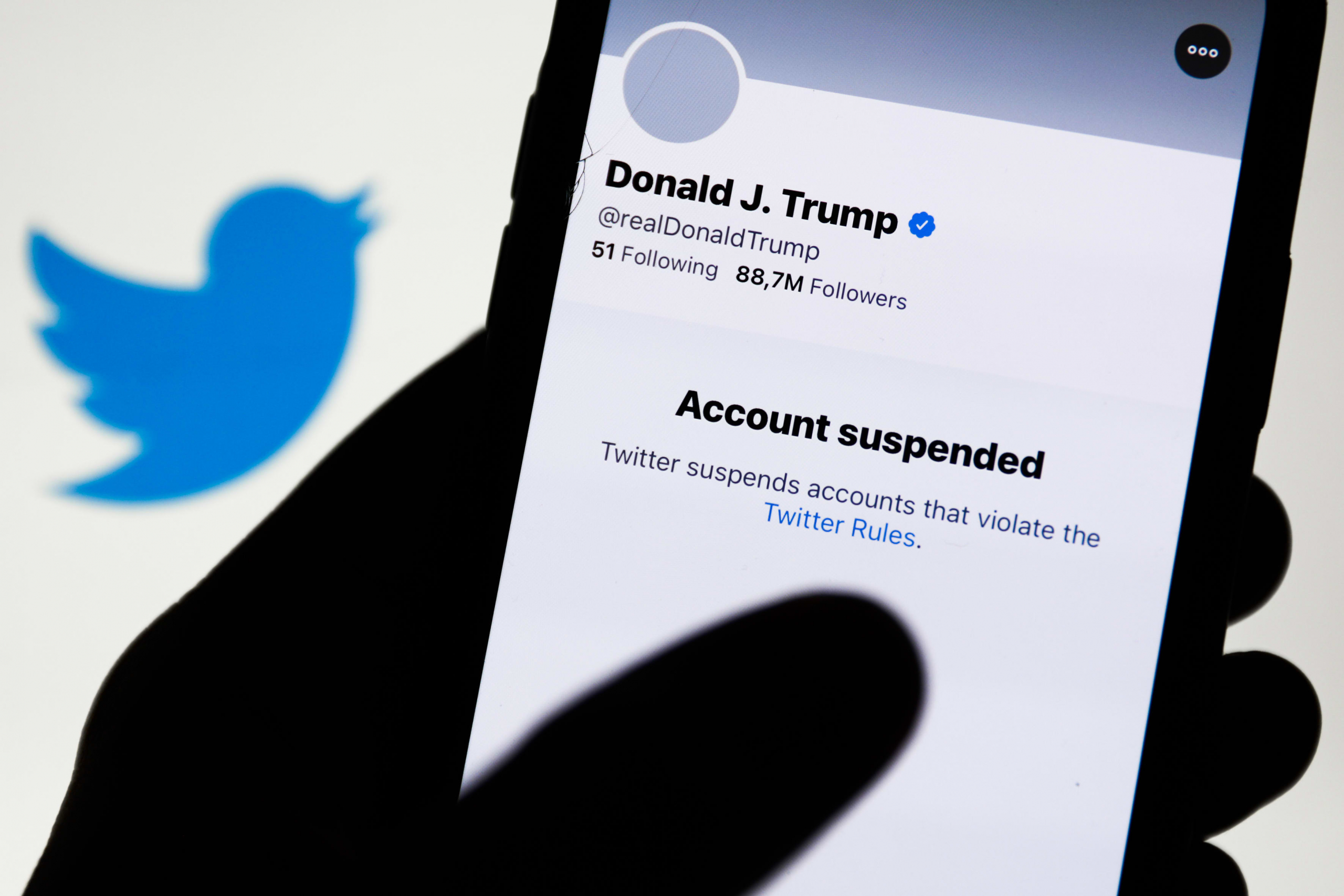
This is best illustrated by Donald Trump.  Having been initially kicked off Twitter / X when he had the ability to communicated with 20m+ followers, he set up Truth Social (where he controls what can and can’t be said as well as who gets a platform!).  Aside from the fact a team of unelected executives could effectively silence the ‘most powerful man in the world’ by deleting his account – he is now back online and regularly communicating to his 8.6 million followers on Truth Social and 110m followers on X.

Let’s just stop and reflect on Donald’s ability to speak directly with 110m followers on X.  Alastair Campbell would have loved this ability to ‘control the narrative’ back in the day when he was managing Tony Blair.  No need to worry about dodgy dossiers or the Today Programme challenging the right to attack Iraq – he could simply share his side of the argument with no scrutiny or even ‘fact checking.

This puts politicians and businesses in a powerful position – but sadly there is simply no independent scrutiny over what is being said.

This seems an unfair fight when traditional broadcasters in the UK are regulated by Ofcom and operate under strict impartiality and editorial codes. Newspapers are also subject to industry regulation and defamation law.

Social platforms, by contrast, operate with significantly lighter oversight regarding editorial responsibility where algorithms, not editors, determine visibility.

This regulatory imbalance is reshaping public discourse.

Algorithms, Echo Chambers and Polarisation

Algorithms are designed to maximise engagement. Engagement often means content that provokes emotional reaction.

Research in both the UK and US shows that algorithmic feeds reinforce existing viewpoints, creating echo chambers. Users are shown more of what they already agree with which in turn leads to ideological reinforcement and, over time, polarisation.

The United States provides a cautionary case study. The polarised media ecosystem leading up to and following the Capitol Hill riots illustrated how fragmented information environments can amplify division.

When audiences inhabit entirely different media realities, consensus becomes harder to achieve which again has led to massive polarisation in the US and even talk of civil war as both sides become entrenched and validated through algorithm feeds.

Clickbait and the Dumbing Down of Content

The issue is further compounded as digital economics reward clicks, shares and dwell time. Headlines are increasingly optimised for attention rather than nuance.

Click-driven models encourage sensationalist framing, over simplification of complex issues and largely outrage-based narratives.  This doesn’t necessarily mean journalism standards have collapsed (although it could be argued that they have) but commercial pressures are undeniably shaping presentation. The race for digital advertising revenue is diluting depth and dare I say even creating a fear of annoying advertisers.

I remember the days when I worked at Marks & Spencer in the early 2000s and the company was under constant attack and scrutiny from the media, while also spending tens of thousands advertising in the likes of the Daily Mail.  At one point a telephone call was made to the Mail’s advertising department to ask them to call off the wolves in the editorial team.  The M&S executive was firmly told of the importance of independent editorial and that they would not be threatened with the withdrawal of advertising revenues.  Sadly, the days are long gone when advertising spend did not influence editorial decisions.

The BBC, Legal Challenges and Trust

Even our old Auntie, the BBC, has lost its way and although it is still one of the most trusted news brands in the UK (according to Ofcom research), it is increasingly facing a decline in confidence.

High-profile controversies, including criticism and lawsuits surrounding coverage of the Capitol Hill riots and documentaries on Gaza, contribute to narratives that the broadcaster is either biased or under political pressure.

When trust is questioned, even without proven fault, reputational damage can linger. This in turn leads to an erosion of public confidence which requires sustained transparency and independence for it to recover.

Direct Communication: Opportunity and Risk

So how does the current media landscape affect organisations?  In short, we believe there is an opportunity.  Companies must work on their own direct audience messaging, using the platforms and relationships that they have available to them, principally social media and their websites.

This engagement must be done in real time as consumers now operate in an immediate landscape whether online ordering and delivery through to the availability of news at the opening of a screen.

Organisations should also look to own their own content ecosystems whether providing valuable content regarding their products and services through to wider industry content that will help position them as leading experts who speak with authority.

Let’s also remember the importance of AI and how more than 60% of searches today are ‘no-click’ searches meaning that customers take their information straight from the AI answer.  Companies need to embrace this and have strategies to feed the AI content.

Finally, remember the importance of influencers.  Historically the media has acted as an influencer, but today individuals can have the same reach and power as newspapers and magazines.  These influencers are just that – able to shape the narrative and influence decisions by connectivity and trust with their own audiences.

But it also brings responsibility. Without traditional gatekeepers, misinformation can spread rapidly. Reputation management has shifted from relationship-building with editors to continuous digital monitoring and building coalitions with partners and influencers who can be called on to help when needed.

A Perilous Point

We are arguably at a tipping point where trust in media is declining in parallel with economic pressures on traditional journalism. Audiences are fragmented across algorithm-driven ecosystems and it is evident that regulation has not kept pace with technological change.

This has all led to greater polarisation both of audiences, opinions and news gathering. This poses a danger, not only because ‘independent’ journalism is declining but because of the effect it has on the shared and trusted information space. An independent, powerful and accountable media has always been the foundation of free and democratic societies.

Put most simply – if audiences cannot agree on facts, public discourse becomes unstable, polarisation builds and societal splits happen.

Where does the future lie?

The above may come across as a little fearful, but this is largely because of the speed of change and consumers ability to keep up as well as the role of regulators. We are already seeing legislation being put in place to better manage social media and let’s hope that more scrutiny is put onto ‘fake news’ and people being held more accountable for what is shared online.

There is no doubt however that the media landscape has changed forever.  The future of media will likely be hybrid, based in stronger subscription models which will allow for better journalism.

Although a liberal at heart, let’s also hope for greater regulatory intervention for platforms to not only protect young people but to restore a basic level of trust.  The growth of influencers may also lead to further growth in independent journalism which if executed effectively could help rebuild trust in the medium.

For media organisations, communicators and institutions alike, the challenge is clear – we need to rebuild scrutiny, restore transparency and prioritise accuracy over immediacy. Because once trust is lost, it is extraordinarily hard to regain.

Since the beginning of time and throughout all this recent change one principle remains constant: trust is the currency of influence.  Without trusted media, we risk losing something far more fundamental.

The Rise of TikTok SEO And Why PRs Should Care

Google it? Nah. These days, it’s more like ‘TikTok it’.

From recipes and skincare to date night ideas and restaurant reviews, TikTok is fast becoming the go-to search engine for Gen Z. And no, that’s not an exaggeration – data shows that 74% of Gen Z internet users use TikTok for search and 51% favour it over Google.

So, what does this mean for PRs? Basically, if your campaign content isn’t showing up in TikTok searches, you could be completely invisible to one of the most engaged audiences out there.


What’s TikTok SEO?

It’s pretty much what it says on the tin – optimising your content so it can be found on TikTok search. Think hashtags, keywords in captions, on-screen text, trending sounds, and even comment section strategy. The algorithm loves context and interaction – so whether it’s a brand collab or a press story, you need to think search first, scroll second.


Why Is TikTok SEO a Big Deal?

Because TikTok isn’t just where people hang out anymore – it’s where they decide.

Whether it’s “best vegan restaurants in Liverpool” or “quiet coffee shops for studying”, TikTok is now the discovery zone. People aren’t just consuming content passively – they’re actively searching, comparing, bookmarking.

And from a PR standpoint? That’s a golden opportunity to put your brand, client, or message right in front of someone who’s already looking for what you do.


So… What’s TikTok SEO Got To Do With PR?

If we’re honest, most PRs have spent years perfecting the art of the press release. We’ve nailed the “So What?” headlines and the perfect news angle. But we now need to start thinking in terms of scroll speed, sound bites and what people type into TikTok when they want answers.


How Can Businesses Use TikTok Strategically?

If you’re still seeing TikTok as just a lip-syncing app, it might be time to rethink your strategy. Businesses of all sizes are now using TikTok  brand storytelling, customer service, product demos, recruitment – you name it.

Whether you’re a B2B software company or an artisan bakery, here’s where TikTok can fit in:

  1. Be discoverable
    Just like you optimise a press release headline or a blog for search engines, TikTok content needs to be keyword rich. That means knowing your audience, anticipating their search queries, and weaving them naturally into your posts.
  2. Educate and entertain
    Explainer-style content performs incredibly well – think “3 things you didn’t know about…” or “Behind the scenes of…” These kinds of videos not only answer search queries but build trust.
  3. Showcase real people
    Whether it’s your team, your customers, or creators you collaborate with, authentic, face-to-camera content feels more personal – and more persuasive. Don’t worry too much about it being polished. TikTok isn’t Instagram, and that’s kind of the point.
  4. Join the conversation
    React to trends or stitch popular videos with your brand’s take. This is where PR skills really come in – understanding when to jump in on a topic, when to sit it out, and how to position your voice without sounding out of touch.


The Face of TikTok?  It’s Definitely Not a Robot

This isn’t about hacks or gaming the algorithm – it’s still about people, stories, and strategy. TikTok might be driven by AI, but the content that works still relies on understanding how your audience thinks, what they care about, and how they talk.

PRs are natural storytellers, and TikTok SEO is just another way to make sure those stories are actually heard. It’s where media insight meets creative flair – and yes, maybe a trending sound or two.


Not Sure Where to Start?

If it all feels a little too Gen Z, don’t worry – we’re not about turning your brand into a dance challenge.

At Source, our team of skilled professionals are experts in helping businesses step confidently into new platforms. Whether you need help planning your TikTok strategy, refining your messaging, or simply making sense of what this all means for your brand – we’re here to help you take the next step.

Want to find out how we can help your business? Drop us a line here

Celebrating the North West: entrepreneurs, innovation, independence and the future of work

As a boutique PR agency in the North West, we are very well placed to witness the trials and tribulations of running an SME in the current climate, but also to see, and celebrate, the successes and achievements of innovative and entrepreneurial companies working hard to make their businesses grow.

We work with a range of SMEs, family-run companies and start-ups, across numerous sectors, with a focus on the North West (from our base near Chester) but with a national reach, and on a daily basis we’re inspired by the visionaries and leaders who found companies, hire teams, invest in properties, develop IP and ultimately drive our economy.

There has been a lot of discussion in the media – rightly so – about the current challenges in the market (changes to national insurance rates, tax rates, VAT, cost of doing business, the energy crisis, high inflation etc) but from where we are there is also a huge amount of resilience and determination to make businesses work.

Our role is to provide communications advice to our clients, to find their voice and engage the most effective tools to promote their businesses. There is a lot of exciting things happening with our clients, but more broadly we think that businesses in the North West, in particular, are well placed to not just survive, but thrive.

The North West of England is a region where tradition meets innovation, offering a fertile ground for entrepreneurs and small businesses to thrive. From historic estates that have long been hubs of creativity to vibrant city centres like Chester, the area is witnessing a renaissance in independent enterprise. In this evolving landscape, public relations companies can play a crucial role in amplifying the voices of these businesses, helping them navigate challenges and seize opportunities.​

Heritage meets innovation: historic estates as catalysts for creativity

Cheshire’s historic estates, such as Cholmondeley Castle, Bolesworth Castle, and Eaton Estate, have been more than just stately homes; they’ve been incubators of innovation for generations. For transparency, we have worked with both Cholmondeley and Bolesworth on numerous projects over the years (and, Duke of Westminster if you’re reading, feel free to reach out for us to complete the set…!).

These estates have hosted events, fostered community engagement, and supported local artisans and entrepreneurs. Their rich histories and commitment to innovation make them ideal backdrops for modern businesses seeking to blend heritage with contemporary creativity, and there are exciting events and partnerships taking place at these estates this year which demonstrate the level of creativity needed to develop new revenue streams, to attract new customers and find new ways to evolve and thrive.

Chester: a thriving hub for independent businesses

Chester is experiencing a resurgence as a centre for investment and business, particularly for independent enterprises. Initiatives like the Chester One City Plan aim to create a fairer, stronger, and greener city by promoting local businesses and fostering a collaborative environment between the public, private, and voluntary sectors. This approach has led to a flourishing of independent shops, restaurants, and service providers, contributing to Chester’s unique character and economic vitality.​

PR companies can play a pivotal role in this ecosystem by crafting compelling narratives that highlight the stories behind these businesses, thereby attracting both local and tourist attention. Through strategic media outreach, social media campaigns, and community engagement, PR firms can help independent businesses in Chester – where the visitor economy alone is valued at £3.9bn – amplify their presence and connect with their audience.​

The rise of hybrid and remote working: opportunities for rural entrepreneurs

The shift towards hybrid and remote working is transforming the business landscape, especially in rural areas. A recent study of UK workers by Forbes suggests that 63% of workers now engage in remote work at least part of the week, so the traditional notion of working from city centres is being redefined. This trend allows entrepreneurs to establish and grow businesses in rural settings without the constraints of daily commuting.​

For small businesses in the North West, this presents an opportunity to tap into a broader talent pool and cater to a market that values flexibility and work-life balance. PR companies can assist these rural entrepreneurs by enhancing their online presence, engaging with remote communities, and positioning them as leaders in the evolving work culture.​

The role of PR in empowering small businesses

In a competitive market, visibility is key. PR companies provide small businesses with the tools and strategies to stand out. By telling authentic stories, leveraging local connections, and utilising digital platforms, PR firms can help businesses build trust and credibility. In the North West, where community ties are strong and local pride runs deep, effective PR can be the bridge that connects businesses with their audience, fostering growth and sustainability.​

As the North West continues to evolve, the synergy between historic innovation, independent enterprise, and modern work practices creates a dynamic environment ripe for entrepreneurial success. With the support of skilled PR professionals, small businesses in the region can navigate this landscape, turning challenges into opportunities and contributing to the area’s rich tapestry of innovation and community spirit.

What are the benefits of Community PR

When it comes to shaping your business’s identity, it’s easy to focus on national campaigns or polished digital strategies. But sometimes, the most meaningful connections are forged much closer to home. Community PR isn’t just about sponsoring the occasional event or sending out press releases—it’s about becoming an integral part of the local area and creating relationships that truly resonate with your customers and community.

Why Community PR Is So Powerful

At its heart, community PR is about showing that your business cares. It’s about stepping beyond being “just another company” and becoming a name that’s genuinely woven into the community. Whether you’re supporting a local charity, working with nearby schools, or helping to organise events, these efforts demonstrate a real commitment to the people and places you serve.

The trust you build through consistent, thoughtful contributions pays dividends. In fact, 77% of consumers want to buy from companies they feel are making the world better, and 92% of consumers are more likely to trust a company that embraces CSR. These statistics show the powerful impact community PR can have on your reputation—and your bottom line.

Building Relationships That Work Both Ways

No business exists in isolation. Each one operates within a web of connections—customers, suppliers, and neighbours—all of whom shape its success. Engaging with your local community helps to strengthen these relationships and creates opportunities that benefit everyone involved.

Collaborations are particularly effective. Partnering with local community groups, for example, amplifies your impact and introduces your business to potential customers in a way that feels authentic. Supporting a community sports team, or backing a local event, doesn’t just get your logo in front of people; it shows that your business shares their values.

Word-of-mouth referrals often follow naturally too. There’s something uniquely powerful about a recommendation shared over coffee with a friend or in a neighbourhood group online—it’s genuine and trusted in a way that advertising simply can’t replicate.

Becoming a True Community Contributor

Businesses that stand out are those that actively give back, and not just with cheques or sponsorship banners. The difference comes from rolling up your sleeves and getting involved.

Hosting workshops, lending your space to community groups, or even organising a local seasonal events shows you’re invested in improving the area for everyone – rather than just an exercise in community PR. These actions also humanise your brand, making it feel more like a neighbour and less like a faceless entity.

When people see your business as a contributor to the community’s success, their support becomes personal. And that sense of personal connection is something no marketing budget can buy. And that sense of personal connection is something no marketing budget can buy.

The Wider Benefits

Strong community ties ripple outward in ways you might not expect. Beyond building a loyal customer base, they can also help attract employees who want to work for a company they’re proud of. A business that values its community often draws in people who share that ethos, creating a team that’s invested in more than just profits.

Community engagement also strengthens your relationship with local media. Journalists are far more likely to feature stories about businesses making a positive difference close to home, helping to spread your message even further.

Helping Businesses Make a Real Impact

At Source, we specialise in helping businesses create impactful CSR and community PR strategies. It’s not just about finding the right collaboration—our focus is ensuring it delivers value for both parties.

From identifying ideal community partners to ensuring long-term, mutually beneficial outcomes, we guide businesses in forming genuine connections that align with their goals. Our approach goes beyond surface-level efforts, helping businesses build deeper relationships with the communities that support them—turning sponsorships into meaningful partnerships that reflect shared values and long-term commitment.

Growing Together

Community PR isn’t just an add-on to your marketing strategy—it’s an opportunity to connect and grow in a way that feels authentic and enduring. By taking the time to genuinely invest in the places and people around you, your business becomes more than a brand. It becomes part of the story of a thriving community.

If you’re interested broadening your PR strategies to incorporate meaningful, lasting connections in your community, we’re here to help. With our expert guidance, we’ll help you find the right collaborations and maximise the impact of your community efforts.

When’s It Time To Hire Help For Your Social?

It’s often said that managing social media is like making a cocktail, anyone can do it but not everyone can do it well. Doing social media effectively, effort and knowledge of the platforms so here we outline some tips for businesses who think they might be ready to get some additional help with their social.

If you or your senior team members are spending more time on social media then on the jobs they excel at, then, it may be time for you to hire help for your social.

If your business is growing but your social media pages don’t quite match up to that, it may be time for you to hire help for your social.

If you’re finding it hard to keep up to date with all the ongoing social media trends, it may be time for you to hire help for your social.

And… If you don’t have any social media at all but want to get your name out there in the digital, then we think it’s definitely time for you to hire help for your social.

What Should You Look For?

When looking to choose a social media agency, we would suggest that you consider the following checklist:

  1. Specialist experts – Do they have dedicated experts available to support and understand your businesses aims and objectives as well as having knowledge of the platforms you are looking to use? Social media platforms are constantly changing and updating to ensure users get the right experience.  Your team needs to be ahead of the curve so your brand is able to cut through and stand out.
  2. Do they know your industry? Do they understand the sector you work in or are they willing to learn? You may not want to hire a social media agency that is handling a competitor’s account but it is useful if they understand the sector and have some experience in it. If that’s not possible to find the right fit, it’s important to have a team that has the right attitude to learning and can support you with real and relevant advice.
  3. Do they have the right tools? It’s not just about creating engaging posts, it’s about working efficiently, monitoring the channels and tracking engagement.  Whether scheduling posts, creating graphics or improving video or images – make sure they have the right tools of the trade to make social media management as efficient and effective as possible.
  4. Are they on hand to react? Social media can change quickly, whether reacting to a negative issue or boosting viral content, the team needs to be on hand and responsive. Although posts may be scheduled a week in advance, the best teams are those who are also able to react to opportunities or trends that present themselves.
  5. Do they plan and are they proactive? The social media agency needs to take the time to understand your business so they can be creative and plan effective campaigns. Have a team that selects the trends, offers creative suggestions and advice, and delivers on a weekly basis. As always, we advise being on the front foot with communications.
  6. Check their track record. When looking for a social media agency, ask for some case studies that show the work that they do or even their own social media accounts.  A good social media agency should be more than willing to share their successes.

Why Getting Help is Important

But why is it so important to get your social media right?

Social media offers businesses an unparalleled opportunity to reach and engage with audiences wherever they may be. But first, you must understand who your audiences are and where they are found.

Taking a brief look at the demographics of each social media platform will help a business choose which platform is right for them.

Facebook is still one of the largest platforms amongst marketers and consumers, accounting for nearly 60% of Meta’s income compared to Instagram. However, the platforms continue to evolve and amongst younger users Snapchat and TikTok are now the predominant channels.

Instagram has reportedly more than 2bn users, with 30% being made up for the 18-24 age group with the average user spending more than half an hour on the platform each day.  Although the platform may be feeling pressure from TikTok, its decision to push Reels and short videos has reinvigorated and increased the platform’s engagement levels.

Instagram is increasingly being used as a gateway to support e-commerce and nearly 60% of businesses aim to use the platform for this purpose in the next 12 months (already more than $43bn was spent via the platform last year).

TikTok is growing and growing quickly, particularly amongst the slightly younger audience.  The site is also accessed by users daily with an average of 45 minutes spent on the site each day.  As the site ‘matures’ we’re likely to see it become more business orientated and as the users age with the platform we may see further changes to the video format and content used.

There is much change happening at Twitter and this is likely to continue until the company’s leadership decides in which direction to take the business.  It is however still a powerful platform and remains the space to be if wanting to discuss breaking news or to share opinions and thoughts.  More than a third of Twitter users have been to university and the platform is increasingly attracting a high-earning and well-educated base.

Elon Musk deciding what to do with Twitter?

For B2B clients, LinkedIn remains the premier platform with more than 930m users worldwide.  It remains predominantly male (57%) and has a slightly older demographic, with a third aged between 30 and 39.  It is however a highly engaged platform with two-thirds (63%) accessing the platform each week and nearly a quarter (22%) accessing daily.

There are numerous other platforms to consider whether Snapchat, Pinterest or others but when working with a social media agency they should also help spend time understanding your audiences and how best to engage with them.  This can include an audit of existing platforms and an action plan to take the business forward to capitalise on the opportunities.

If you’re looking to choose a social media agency, get in touch and let us walk you through the world of social media and how together we can build engagement, awareness and opportunity for your business.

Fake News & Clickbait… Who’s Views Are You Getting On Social Media?

One of my favourite adverts back in the 1990s was from The Independent newspaper (now the i-newspaper of course). The ad drew the reader’s attention to the fact that the majority of large mainstream newspapers back in the day were owned and operated by ‘media moguls’.

The advert cleverly printed ‘Conrad Black’ into the same font and layout of the famous Daily Telegraph and the name ‘Rupert Murdock’ into The Times mast head.  The objective being that they were trying to convey that the newspapers were anything but independent and instead simply portraying the views of their owners and paymaster generals.

Historically, Britain has proudly had one of the freest and boldest press corps in the world that rightfully and skilfully has ‘held power to account without fear of favour’.  The highlighting of the newspaper ownership therefore resonated with me as we were often advised (when studying history at university) to look at the author of the work before determining any bias to the information presented.

As technologies and 24 hour news cycles developed, the pressures on newspapers to keep up has been intense.  Not only have they seen significant drops in readership that have led to a corresponding drop in revenue, but we are also seeing strategies that undermine the quality of the news presented in an effort to attract readers to more sensational stories – otherwise known as clickbait.

The sad reality however is that newspapers are not winning.  Recent research now shows the impact social media is having on not only everyday life but also on what we view, believe and how we consume information.

On average, UK consumers already spend an hour and 52 minutes every day on social media, with over half of them using the platforms to post or send private messages (56%) and to stay in touch with family and friends (53%).

Interestingly, nearly 8 out of 10 (79%) of 16 to 24 year olds say that social media is their main source of news.  Due to the open platform nature of social media, the quality and content of this news is very hard to regulate and there have been numerous cases of alleged ‘fake news’ whether relating to the US elections, Covid management or celebrity stories.

Although UK law allows users to report illicit content to the police, there is currently no legislation covering social media regulation nor the publication of ‘fake news’. The process of putting in place a form of regulation has been in progress for quite some time, however it has received heavy criticism for long delays in its implementation.

The Online Harms Bill, first proposed by Theresa May’s government in April 2019, sets out strict guidelines governing the removal of illegal content such as terrorist material or media that promotes suicide. Social networking sites must obey these rules or face being blocked in the UK.  This may be all well and good but there is disagreement as to where to draw the line between ‘harmful’ and free speech and who will be responsible for policing the content which is likely to be a much more complex affair.

The recent Covid pandemic highlighted just how complex the issue is.  Faced with a serious threat to public health, the government looked to ‘control the narrative’ both in mainstream media and also online. Many of the legacy media outlets towed the line with regard to messaging, in part due to government media spend, and also through their ‘public duty’ however social media platforms came under scrutiny over the content of posts that were shared.

In some cases the platforms were accused of sharing ‘conspiracy theories’ that challenged the narrative, while those sharing the alternative views felt that they had their accounts arbitrarily cancelled or ‘shadow banned’ where the content of their posts did not reach their usual audiences.  By May 2021, Facebook’s fact checking team had removed 16 million pieces of content and added warnings to around 167 million posts. YouTube removed more than 850 000 videos related to “dangerous or misleading Covid-19 medical information.”

This raises the question as to who are the fact checkers and what medical or specialist knowledge do they have to undertake their roles?  Professor Sander van der Linden, a professor of social psychology in society at Cambridge University comments: “I think it’s quite dangerous for scientific content to be labelled as misinformation, just because of the way people might perceive that.”

This naturally leads to the question on who is determining what is right or wrong on social platforms as this in turn leads to what can and can’t be shared.

We have already seen the democratically elected President of the United States banned on Twitter.  If a company’s executive team are calling the shots on essentially who has a voice or not, this has serious implications.  The new owner, Mr Musk, has also introduced a subscription cost to Twitter, suggestion those who don’t cough up will have their accounts effectively silenced.  It begs the question as to what other topics or views could be silenced if they don’t marry with his agenda?


Fake news & Click bait - Trump banned from Twitter

Fake news & Click bait – Trump banned from Twitter

Twitter is not alone, TikTok is facing a total US ban because of its Chinese ownership (with the US government afraid of data being shared with a malign body and the potential influence it could have on a population).  If this happens I would expect other countries to follow.

The algorithms of the platforms already favour certain content over others and decide who has their views shared over others.  This is most apparent in how businesses now essentially need to pay to be heard on any platform. As the saying goes, “If you are not paying for it, you’re not the customer; you’re the product being sold.”

With more than 12.5bn hours collectively spent by the UK population on social media in 2021 (or an equivalent of 1.4million years for one person!) and five out of the top 20 websites being social platforms, social content undoubtedly has the biggest influence on today’s population.

As social media and their platform’s owners become more powerful, just as it was back in the 1990s with newspapers, we all need to consider who really owns these platforms, as this massively influences what we watch, listen to read and absorb.

Prime Time: The Impact Of Scarcity Marketing

When you look at Prime, it’s your standard energy drink. Loud and colourful with a name that suggests that inspires some sort of hyper-performance.

With Logan Paul and KSI behind the brand Prime was always likely to be popular, but the inflated prices and irrational behaviour it has caused cannot be attributed to the two’s stardom alone.

Somehow there’s an unquenchable thirst for this drink and its had people driving to a Wakefield off-license for an £100 bottle in a cost-of-living crisis, as well as hordes of customers descending on supermarkets that stock it.

So how has, on the face of it, a rather ordinary energy drink led to so many believing it to be Lourdes water’s equivalent? Scarcity marketing.


What is Prime?

Over the last few months, we’ve seen snaking queues and dives into shelves that would give Tom Daly a run for his money. All of this for KSI and Logan Paul’s new business venture, Prime Hydration.

The duo have enormous respective followings on social media and are two of the highest profile YouTubers in the world, which, of course, gives them an excellent platform for any product launch.

Paul and KSI teamed up to create the energy drink, in conjunction with supplier and distributor Congo Brands, and launched Prime in January 2022.

Since then it has become the official sports drink supplier for Premier League table-topping Arsenal and the UFC with its CEO Dana White signing the drink up on a multi-year basis.


What is scarcity marketing?

 Scarcity marketing is not a new phenomenon and it’s a basic economic principle. Well-worn phrases such as while stocks last, flash sales and limited-time offers are used to create a sense of product rarity and urgency among consumers. Limited supply = high demand.

One of the most infamous cases of scarcity marketing involves the diamond market.

We’re led to believe that a diamond is a scarce resource and gifting a partner one is a sign of true love.

Well, in actual fact during the nineteenth century the DeBeers mining company, who had a monopoly on diamonds, began stifling supply to create scarcity and therefore, increase demand for the stone.

The tight control of the supply of diamonds created artificially high prices and, subsequently, high demand.

However, when the price of a diamond decreased during the 1930s, the very same company created a clever marketing campaign involving celebrities of the day, to convince the world that the rare diamond was a true indication of love.

Essentially, as part of the campaign, it was claimed that the size of a diamond ring was exactly equal to the love a man had for his fiancée, which has created the lasting engagement tradition.

Scarcity marketing is a tactic that’s been deployed for over 200 years, but it’s become even more effective with the advent of social media and platforms such as YouTube and TikTok have been instrumental in spreading the narrative that Prime is a scarce resource.


From Aldi to Wakey: How Prime became ‘scarce’

Having been released to the US market much earlier in 2022, Prime first became available in the UK back in October when Asda began selling the drink and retailed at around £1.80.

However, the drink quickly became rather elusive and, although ostensibly limiting the supply of the drink was never part of the marketing strategy, Asda had to set a limit on the product to three per person due to finite stocks and concerns over resales.

The literal scramble for Prime grew more urgent when Aldi temporarily stocked the drink in its special buy section and limited sales to one per customer. Videos soon emerged of people desperately trying to get their hands on the drink, with one video even showing a grown man swiping a bottle from a child.

The aforementioned limited time nature of this offer by Aldi stirred urgency among consumers who felt they couldn’t miss out on having this product and with the videos of the supermarket scrambles spreading rapidly on TikTok, the craze surrounding Prime grew.

Then from amidst the chaos, an unlikely TikTok ‘star’ emerged, Mohammed Azar Nazir, the owner of the Wakey Wines off license. Clips of Nazir with customers who’d misguidedly bought bottles of prime for a disgustingly exorbitant price, began to go viral.

Wakey Wines became part of the national lexicon overnight and the shop’s fame outgrew the boundaries of West Yorkshire, overnight. The shop had capitalised on the absurd consumer demand for this ‘rare commodity’ and charge excessive prices, all the while taking full advantage of power of social media

Meanwhile on eBay, the energy drinks that were released in early January, have been selling at as much as £2,000. Such prices are morally reprehensible, particularly when you consider how so many people are struggling at the moment.


Prime: A perfect storm

In the nineteenth century DeBeers didn’t have social media to market their ‘rare commodity’ but if they did, it’s interesting to consider how this would have affected the demand for diamonds.

In the case of Prime, you have the combination of two of the world’s biggest YouTubers being the face of the brand, a product in limited supply and social media.

These three factors help fuel both the idea that the drink is a scarce resource and the fear of missing out.

Although the scarcity marketing tactic has been denied by KSI and Logan Paul, Prime is an example of just how powerful the idea of rarity is in advertising and marketing.

How To Best Use Influencer Marketing

Influencer marketing is increasingly being used by businesses and brands to extend their range and reach into new and lucrative markets.  Although the marketing tactic has been used for several years, influencer marketing is set for exponential growth in 2023.

PR agencies have always been the preferred partner for businesses looking to engage in influencer marketing.  From the more traditional media briefings in which companies sought to inspire editors and the media agenda, through to brand collaborations when the reputation of an established brand is used to leverage exposure for a new or emerging brand – the right PR agency can help reach and influence new audiences like no other marketing medium.

Today however influencer marketing primarily refers to collaborations between brands and ‘influencers’ on digital platforms whether social media, blogs or other digital channels. The question often asked by clients is ‘what is an influencer?’ and how to gauge whether they have a genuine ‘influence’ amongst target audiences.

Influencer Marketing – Breaking It Down

One common mistake is to not differentiate between a celebrity and an online influencer. Admittedly many celebrities can extend into the role of influencer but in many cases, they are quite separate entities.

Most influencers have built a loyal and enthusiastic audience by posting relevant and engaging content that resonates with their followers.  People organically elect to follow these influencers based on their content, which in turn can vary from quite generic topics such as food & drink, parenting and travel right down to very specific subjects such as photography, wellness or types of gin (and everything in-between!).

Influencer marketing is not limited to consumer brands as an influencer can be a well-read business expert or blogger who tweets relevant content, or a respected marketing executive on LinkedIn with insightful views and opinions. Within any industry, there are influential people—you just need to find them – and that’s where working with a PR agency can help.

Some influencers have hundreds of thousands (if not millions) of followers but there are also plenty who seem more like ordinary people. They may have less than 10,000 followers but they have developed a reputation for being the experts in their field. They are the go-to people who are trusted to provide the answers to people’s questions. Depending on their sphere of expertise, they can often be the people who make the most engaging social posts on their specialist topics. They share the best pictures, make the most entertaining videos, and run the most informative online discussions.

It’s important to realise that the influencer’s audiences don’t really care about brands specifically, more the opinions of the influencer towards the brand.  It’s therefore important to work with the influencer rather than push your rules, ‘brand guidelines’ or business practices into their actions as they can simply walk away, taking their followers with them or worse still become antagonistic.

The growth of influencer marketing

The statistics speak for themselves.  In 2016, influencer marketing was a $1.7bn industry worldwide, while last year (2022) it had grown to more than $16.4bn.  According to an influencer marketing hub report,  90% of survey respondents believe influencer marketing is an effective form of marketing and currently more than two thirds (67%) of brands use Instagram for influencer marketing.

The growth is set to continue as 75% of the survey respondents suggested that they would be dedicating a budget to influencer marketing in 2023. This rate is up substantially from the 37% who claimed they would allocate a budget to it just 6 years ago in 2017.

Tips for influencer marketing

So, for brands or businesses looking to engage with influencer marketing, we’d suggest that to be most effective, start with a plan that includes objectives, target markets and a budget and then begin careful research into who would be a good fit and provide you with a platform for targeted exposure.

When researching influencers, don’t be overtly swayed by their follower numbers but instead look at their levels of engagement.  How many people like their posts, comment or share as these are the key metrics to consider.  Often big name influencers may not be right for a brand or too commercial to develop genuine and lasting relationships.

Decide also how you are going to find and approach the influencer.  This can be time consuming so working with a PR agency that works with influencers can be a big help as often they may have existing relationship or the resource to target them organically.

When you have found the perfect partner, work with them and develop a schedule of activities.  Consider how their posts can integrate with your existing social media or content marketing schedule, what agreements are in place to ensure the right number of posts, reels or blogs are included in exchange for a product or service.  Is money changing hands and, if so, are the right contracts in place? Also remember the influencer must declare if a financial agreement or if a product has been gifted.

It’s also worth considering what doesn’t work.  Buying influence does not work as many influencers have spent time building their following and so wont risk tarnishing their reputation by selling out and promoting products they don’t like, relate to, or would not recommend to their followers.

It’s also not necessarily about quick results and fast sales.  Although this can be the case (most famously when Delia Smith recommends a kitchen product, they sell out fast!) the main objectives of influencer marketing is building the exposure of your product, its reputation and taking it to new potential audiences through the strength of third party endorsement.

Remember also to be specific as one size does not fit all.  Spend time to find the right fit with an influencer and when that’s achieved it’s proven to pay dividends.

For more information on influencer marketing, contact a member of the Source PR team and let us help build you reputation, product awareness and take your brand or business into new and exciting areas.

Skills You Need To Be A Successful PR In 2023

It’s no secret that working in public relations and managing successful PR campaigns can be a stressful yet rewarding at times. One day you could be pitching in a hot new client story to the media, the next you could find yourself in Milan conducting a video shoot (okay, that doesn’t happen all that often, but it did for me recently, so I had to mention it!). Working in PR, means you get to add many strings to your bow and here, we explore the essential skills that’ll help you to enjoy a thriving career in PR.


Strong copywriting skills

Possibly the cornerstone of any role in PR and comms is solid copywriting skills. A huge part of the role, you’ll need to turn your hand to writing blogs, white papers, reports, press releases, case studies…the list goes on. If you’re in an agency role with several clients, it’s important to nail the tone of voice for each client and have the ability to digest sometimes complex information before drafting it up in an easily readable and understood manner.


An eye for news

A must-have skill in PR is knowing which story is going to hit the sweet spot with the media. In meetings or interviews, being able to pick out those golden key pieces of information that will leave journalists wanting to know more isn’t a knack that should be taken for granted.


Passion

Passion is what gets us through on the hardest days. Maybe you’re struggling to get in touch with a journalist, your social post isn’t performing how you wanted it to, or your event sign up numbers aren’t as high as anticipated – these things can really put you on a downer after weeks or even months of planning and hard work. A dash of passion and desire to do your best work is what is needed to get us through those tricky days!


A thick skin

Unfortunately, like many industries, delivering successful PR isn’t for the faint hearted. You may come across a cranky  (we all have bad days), challenging crisis comms work, or get some unexpected feedback on an article you poured your heart and soul into and it can be dis-heartening. Feeling this way isn’t a bad thing, it just shows we care!

Adaptability

“But that’s how we’ve always done it” isn’t a welcome phrase in our industry. As professionals, it’s important to be able to adapt, change and embrace new trends, techniques and technology. Gone are the days of cutting out individual press clippings and compiling them into a book to then send in the post to clients – and aren’t we glad of that!? If PRs had ignored this new method of communication called social media 10 years ago, then I wonder where we’d be now. Arguably, SEO only became a thing in the late 90s, and look how much that has evolved over the years. For me, there will always be a place for genuine content and print media, but there’s also plenty of room for the newer stuff too!


The team at Source PR have all of these skills in abundance, to find out how we could help you and your business, get in touch.

How Much Do PR Agencies Charge?

As we head into what is likely to be another economic slowdown, there is often an uplift in businesses wanting to raise their profile in an increasingly competitive market.  With budgets tight and ambitions high, prospective clients often ask us ‘How much do PR agencies charge?’.

The short answer is how long is a piece of string, as there are a number or variables that can influence the amount PR agencies charge, whether it’s the amount of time spent supporting the account, the specialist nature of the work or the seniority and experience of the team required to deliver the results.

But it’s equally an important question as the predetermined budget is one of the key factors when selecting the right PR agency to support your marketing goals.

Here we’ve tried to outline some of the key elements that go into determining a PR budget, to help prospective clients pick the resource and team they need to support their business ambitions.  Knowing the information will hopefully help internal stakeholders understand why the costs are what they are and the agency is the right one for the business

Before appointing a PR agency, the first question must be whether the company has existing skills and resource available to deliver the plans.  If not, there is always the option to recruit a ‘PR manager’ to help, with typical costs of £35 – £50kpa depending on location, experience and skill set.  If selecting this route, ask whether they have all the required skills and industry resources to deliver the campaign as well as what plans are in place to cover holidays or other absences?

Another option could be to use a freelancer.  Freelancers often cost more than an in-house resource and can bring specialisms and experience, but often deliver tactically the strategy that’s been determined in house. Freelancers have specialities and niches, so if considering this you may need to hire one freelancer to handle your social media while another for media relations.  Costs can range from £150- £250 a day again depending on skills and experience and can quickly rack up if not managed carefully.

Selecting the right PR agency

When it comes to selecting a PR or social media agency, these typically fall into three categories, large, small and specialist PR firms.  Hiring an agency gives you access to a team of experts across the full spectrum of communications services from media relations, social media management, crisis communications, public affairs, SEO and more. Unlike a freelancer, agencies usually offer a team to deliver the strategic planning, measurement and evaluation along with tactical delivery and execution.

Smaller or ‘boutique’ agencies, typically have a staff of less than 20. Their monthly fees usually range from £1,500 – £5,000 (potentially more for a London based or highly specialist firm). The value is in the easier access to senior PR counsel as well as the agility and close working relations built with the team. Boutique firms can also specialise in specific sectors and services within the PR and marketing spectrum but offer a more personalised service to client businesses.

Large agencies usually have staff of more than 20 and have offices across the UK or world, offering support to clients that require that reach. Some of the brand names like Edelman, Weber Shandwick and Hill and Knowlton fall under this category. These agencies cost the highest with typical retainers more than £5,000 per month. These agencies are best suited for big corporations and governments, especially those needing PR support for multi-national launches and campaigns.

When it comes down to working out how much do PR agencies charge, most PR and social media agencies operate either on a project or retained basis.  Project rates tend to be for shorter term contracts between one and three months and can be used to support an event or crisis.  Project-based contracts tend to be priced higher than annual retainers because agencies spend a lot of time in winning the business, researching the company and getting to understand the various products or services. The short-term aspect can also put a lot of pressure on the agency’s resources to deliver within the time frame and the time spent on learning the account cannot be recuperated six months down the line once the project has ended.

Retained contracts run longer and are usually around 12 months duration, however at Source PR we are proud to say that we have supported several clients for more than 10 years on a rolling retained basis (as they value the work and results we deliver!). Retained contracts often cost lower than project-based contracts because the time spent and the research done in the initial few months by the agency are paid off in the long-term.

PR Agency Services

Services like media relations are offered on retainer contracts because the best results are achieved in the long term.  A one-off press mention in top-tier media can lead to a short spike in brand awareness or traffic to a website, but only consistent press coverage over the long-term will genuinely build and enhance a company’s brand and reputation.

Retained contracts typically allow clients to pay a fixed rate every month based on a specified scope of work or a fixed number of hours. Some months the work may be slower but it is usually balanced by months when the workload is higher.

One of the key influences into PR agency prices is based around the team allocated to support the business.  PR prices are proportional to the agency day rate card (i.e. how much time a member of the team would be required to support the business and the seniority / experience of the person or team). Naturally the hourly rate of an account executive is lower than that of an account manager, which is lower than that of an account director etc.

When looking to choose a PR agency, it tends to be best to work with a firm whose typical client is of the same size and budget as yours. Some clients with moderate budgets make the mistake of selecting a ‘big name’ agency only to have junior or less experienced PR staff working on the account as the client (or fees!) are not deemed as important to the senior team.  Smaller or boutique agencies typically give better access to the senior team at a more affordable rate.

Finally, one of the other key influences in determining ‘How much do PR agencies charge’ comes down to the services required by the client.  Some services like strategic planning, branding and public affairs understandably cost higher as they require more senior expertise. Crisis communications cost much higher as it requires the PR professional to be available 24X7 to respond to the crisis as it evolves and can take them away from other scheduled work

Similarly, services like media relations or working with influencers – where a PR professional brings their relationships built over the years also cost higher.  Services like social media management or blog writing can cost lower because they can be successfully undertaken without needing years of experience or decades spent building relationships.

The last question to ask is how much would it cost you not to recruit a PR agency?  What is the value of your time, do you have the skills and time to deliver a campaign yourself.  Equally what are the sales and opportunities you’re missing by not building your profile?  All are valid questions when asking ‘how much do PR agencies charge’.

Speak to us

If you’d like to speak to someone about PR pricing and what agencies can deliver against specific budgets, feel free to contact a member of our team.  Source PR is one of the North West’s leading boutique agencies and offers a full range of services to client business across the region and UK.

The team would be delighted to discuss your PR, social media and digital communication requirements and to meet to discuss your ambitions and how best we can deliver against your PR budgets and priorities.

Tag Archive for: social media